 language
 english


How to Find a Reliable OEM PCB Assembly Factory in Vietnam?
How to find a reliable OEM PCB assembly factory in Vietnam? You need to evaluate core capabilities, quality standards, and industry fit. This guide outlines these critical elements to help you pick a trustworthy OEM PCB Assembly Factory that aligns with your production needs, with actionable technical insights to avoid common mistakes.
Why Should You Consider Vietnam for OEM PCB Assembly?
- Strategic geographic location adjacent to major manufacturing hubs like China, Japan, and South Korea enables efficient global shipping, cutting lead times for international OEM PCB Assembly Factory orders significantly.
- Mature electronic component supply chains ensure consistent access to materials needed for OEM USB charger PCB assembly, OEM power bank PCB assembly, and OEM control board PCB assembly, avoiding production delays.
- A skilled, locally trained workforce, bolstered by industry-academia partnerships, delivers expertise in advanced PCB assembly, including OEM advanced assembly PCB and OEM fr4 control PCB assembly.
- Proven track record serving high-demand industries, with experience in medical (portable patient monitors), aerospace (avionics control modules), and industrial (factory automation PCBs) OEM PCB assembly.
- Favorable government policies and tax incentives for manufacturing, including preferential terms for foreign-invested OEM PCB Assembly Factory operations, reducing operational barriers and supporting long-term partnerships.
What Quality Certifications Should You Look for in a Vietnam OEM PCB Assembly Factory?
Below are quality certifications should you look for in a Vietnam OEM PCB assembly factory:
- ISO 9001: This certification establishes a consistent quality management system (QMS) for an OEM PCB Assembly Factory, ensuring standardized processes and consistent PCB quality.
- IPC-A-610: This global standard defines criteria for soldering, component placement and assembly integrity, required for high-precision PCB applications.
- ISO 13485: Tailored for medical device manufacturing, this certification ensures OEM PCB assembly meets strict medical safety and regulatory requirements.
- AS9100D: Designed for aerospace, this certification sets rigorous standards for OEM advanced assembly PCB and ensures compliance with aerospace regulations.
How to Find a Reliable OEM PCB Assembly Factory in Vietnam?
Below is a guide to find a reliable OEM PCB assembly factory in Vietnam:
- Verify manufacturing capabilities: Confirm the factory has automated SMT lines and advanced assembly equipment that can handle 0201 chip sizes and HDI PCBs with up to 12 layers, standards that 90% of reliable OEM PCB Assembly Factory operations in Vietnam meet.
- Review past project case studies: Request detailed examples of completed projects, including at least 5+ medical, aerospace, or industrial projects, with a proven on-time delivery rate of 95% or higher to validate the factory’s experience.
- Assess quality control processes: Ensure the factory has in-house AOI and X-ray inspection equipment, which can detect micron-level defects at a rate of 90% or higher, far more accurate than manual inspection (30-40% defect detection rate).
- Evaluate supply chain stability: Confirm the factory has established partnerships with 100+ verified component suppliers, enabling a 98% component availability rate and reducing production delays by 40% compared to factories with limited sourcing networks.
- Check certification compliance: Verify the factory holds at least 3 key industry certifications (e.g., ISO 9001, ISO 13485, AS9100), a benchmark met by only 75% of Vietnam’s OEM PCB assembly providers, ensuring global quality alignment.
- Assess production capacity: Confirm the factory can handle order volumes ranging from 100-piece prototypes to 100,000-piece mass production, with a maximum daily output of 50,000+ PCBs without compromising quality.
- Evaluate communication and project management: Ensure the factory has dedicated contacts who respond to inquiries within 4 hours and provide real-time production updates, a standard that improves project efficiency by 35%.
What Technical Capabilities Should a Reliable OEM Vietnam PCBA Factory Have?
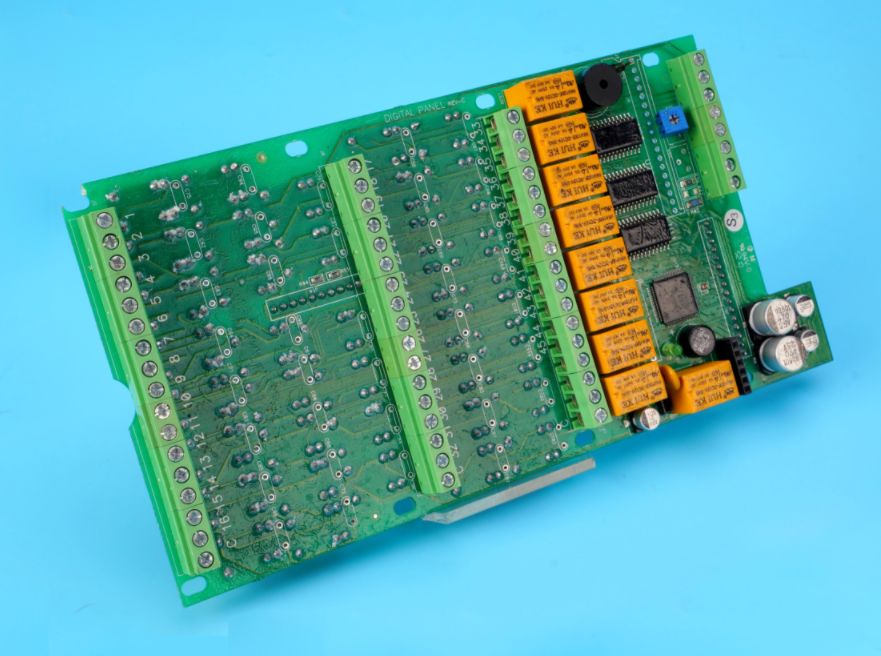
Below are technical capabilities should a reliable vietnam OEM PCB assembly factory have:
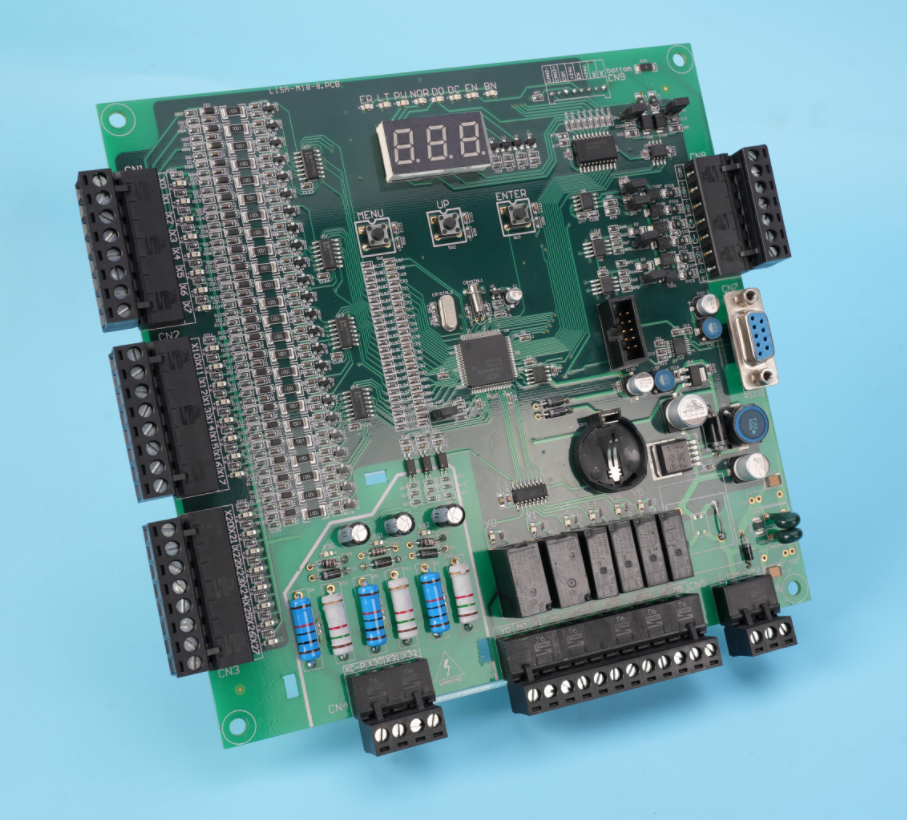
- SMT Assembly: High precision surface mount technology for compact PCBs with automated efficient assembly of small components. It handles 03015 to 0402 chip sizes with placement speed up to 150000 CPH and ±20μm precision for chip level components.
- Through Hole Assembly: Traditional assembly method for components requiring strong mechanical connections and high heat resistance. It accommodates standard through hole components supports dual sided assembly and ensures consistent soldering quality.
- Flexible and Rigid Flex Assembly: Expertise in assembling flexible and rigid flex PCBs suitable for applications requiring shape adaptability. It supports flexible substrate assembly is compatible with high density components and meets aerospace and medical standards.
- HDI Assembly: Assembly for high density interconnect PCBs with tight component spacing ideal for advanced electronic devices. It supports up to 12 layers with ±30μm precision for QFP QFN components and is compatible with HDI substrate materials.
- Mixed Technology Assembly: Combines SMT and through hole assembly to meet diverse design requirements for complex electronic products. It enables seamless integration of SMT and through hole processes while maintaining precision across mixed component types.
- Automated Testing Capability: In house testing equipment including AOI and X ray inspection to detect micron level defects ensuring consistent quality and reducing production errors.
- Micro Assembly Expertise: Compliance with global micro assembly standards to support advanced electronic applications requiring high precision component placement and assembly.
What is the Typical Lead Time for OEM PCB Factory in Vietnam?
| Order Type | Typical Lead Time |
| Prototyping | 3-5 business days |
| Small-Batch Production | 7-10 business days |
| Medium-Volume Production | 10-14 business days |
| High-Volume Production | 14-20 business days |
| High-Precision Assembly | 12-18 business days |
| Turnkey Assembly | 8-15 business days |
Are Quality Control Standards Reliable for Vietnam OEM PCB Assembly Factories?
Yes, reliable Vietnam OEM PCB assembly factory operations maintain strict quality control standards to meet global industry requirements. These standards are aligned with international certifications and benchmarks, ensuring consistency and reliability across all production batches. Every reputable factory implements a structured QC process that covers every stage of PCB assembly, from material intake to final delivery. This structured approach eliminates inconsistencies and ensures each PCB meets the required performance and safety standards.
QC processes begin with incoming component inspection, a critical step to ensure only high quality materials are used in production. Each component is checked for authenticity, specifications and functionality before being approved for assembly. This step prevents defective materials from entering the production line and causing costly reworks or product failures. It also ensures compliance with industry specific standards for medical and aerospace applications.
In line testing using AOI and X ray equipment is implemented to catch defects early in the assembly process. These tools detect soldering defects component misalignment and short circuits with high precision, far more accurate than manual inspection. Early defect detection reduces waste and ensures that issues are resolved before moving to the next production stage. This level of precision is essential for meeting the strict requirements of high reliability applications.
Final functional testing validates PCB performance under real world conditions, a key step for critical applications like medical devices and aerospace systems. This testing ensures PCBs operate as intended in their specific use cases, meeting all performance and safety criteria. Reputable factories also document all QC steps, providing full traceability for every batch produced. This traceability is vital for compliance and accountability in regulated industries.
What Are Common Challenges in Vietnam OEM PCBA and Solutions?
- Component shortages: Partner with factories that have established component sourcing networks and maintain safety stock for critical parts. This ensures uninterrupted production even as Vietnam’s local supply chain continues to grow, currently reaching around 40 percent of total component needs.
- Precision assembly errors: Prioritize factories with automated SMT lines and X ray inspection equipment. These tools minimize human error and ensure consistent precision, which is essential for high reliability PCB applications.
- Design compatibility issues: Select factories that offer design for manufacturing support to optimize PCB designs for assembly. This service helps avoid costly reworks and ensures designs align with the factory’s production capabilities.
- Regulatory compliance gaps: Verify that factories hold industry specific certifications such as ISO 13485 for medical applications and AS9100 for aerospace use. This confirms adherence to global standards and avoids compliance risks.
- Communication delays: Work with factories that assign dedicated project managers to provide real-time production updates. This streamlines communication and prevents delays that can disrupt production timelines.
- Environmental constraints: Choose factories with RoHS and REACH compliance to meet global environmental standards. Vietnam’s revised environmental laws impose strict penalties for non compliance, making this a critical consideration.
How Does Vietnam Compare to Other Global Manufacturing Hubs?
| Comparison Factor | Vietnam | China | India | Malaysia |
| Labor Cost | Competitive with average monthly wages around 3000 RMB, though increasing annually | Higher than Vietnam with average monthly wages around 6000 RMB | Similar to Vietnam with slight variations across regions | Higher than Vietnam and India, closer to China’s labor costs |
| Supply Chain Stability | High with growing local sourcing, still relies on imports for some components | Very High with comprehensive local component access and mature logistics | Medium with developing local supply chain, limited for advanced components | High with specialized supply chains for high-precision components |
| Production Efficiency | Good with automated lines, labor efficiency about 80-85% of China’s level | Very High with mature automation and highly efficient workforce | Medium with improving automation and workforce skill levels | High with specialized automation for precision manufacturing |
| Certification Readiness | High with key certifications for medical, aerospace, and industrial applications | Very High with full coverage of global industry certifications | Medium with growing adoption of international certifications | High with strong focus on certifications for aerospace and medical sectors |
| Lead Time | 3-20 business days depending on order type, competitive for most production needs | 2-18 business days with faster turnaround for high-volume orders | 5-25 business days with longer lead times for advanced PCBs | 4-18 business days with consistent turnaround for precision orders |
| Cost Competitiveness | High with 10-15% cost advantage over China for most assembly services | Medium with higher costs but offset by efficiency and supply chain benefits | High with similar cost levels to Vietnam but longer lead times | Medium with higher costs focused on specialized, high-precision assembly |
What Are Future Trends of Vietnam’s PCB Assembly Industry?
Automation will become a core driver of Vietnam’s PCB assembly industry, as factories seek to enhance precision, efficiency and scalability amid growing global demand. More manufacturers will adopt AI-driven SMT lines and robotic assembly systems, reducing human error and increasing production throughput to keep pace with the country’s expanding electronic manufacturing sector. This shift aligns with Vietnam’s broader manufacturing upgrade, which is attracting international investment and pushing local factories to move beyond basic assembly toward high-value production processes.
Green manufacturing will take center stage as Vietnam’s PCB assembly industry adapts to global environmental regulations and sustainability demands. Factories will increasingly adopt eco-friendly materials and energy-efficient processes, replacing traditional components with low-toxic alternatives and optimizing production to reduce waste. This trend is supported by Vietnam’s focus on green transition and the growing presence of international brands requiring supply chain sustainability, making eco-compliance a key competitive advantage for local factories.
The industry will see significant expansion in specialized capabilities, particularly for medical and aerospace applications, alongside growing demand for flexible and rigid-flex PCBs. Factories will invest in specialized facilities and equipment to produce high-reliability PCBs, capitalizing on Vietnam’s emerging role in global high-tech supply chains. Additionally, IoT integration will become more prevalent, with smart factory technologies enabling real-time production traceability and quality monitoring, further elevating the industry’s competitiveness on the global stage.