 language
 english


High Precision Micro PCB for Medical Devices Manufacturer | 19+ Years of PCB & PCBA Experience
What truly sets micro PCB for medical devices apart from standard PCB? The difference lies in extreme miniaturization, zero room for failure, and strict regulatory rules that leave no margin for error. Micro PCB for medical devices power wearables, diagnostic tools, implants, and life-saving equipment where reliability directly impacts patient well-being. These circuits must hold up under thermal stress tested for PCB conditions. As medical tech evolves fast, the need for advanced micro PCB for medical devices keeps growing, making it essential to grasp core challenges and proven solutions clearly.
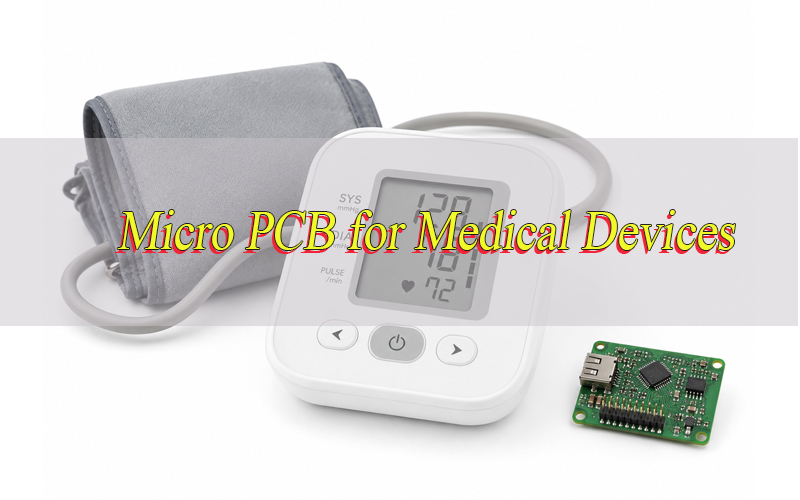
What Are the Difficulties of Micro PCB for Medical Devices Design? How Does We Overcome Them?
Designing micro PCB for medical devices brings unique technical hurdles beyond regular PCB work. These challenges stem from tight miniaturization, high circuit density, long-term reliability demands, and strict regulatory rules. Below are core design difficulties and matching practical solutions.
Core Design Difficulties:
- Extreme miniaturization clashes with signal integrity in high-density micro PCB for medical devices.
- Long-term reliability through thermal cycling is hard to lock in for thin-substrate designs.
- Limited thermal dissipation space raises overheating risks in compact medical layouts.
- Complex regulatory compliance drags out design iterations and drives up costs.
- Higher EMI interference risks come with fine-pitch traces and high-frequency circuits.
- Uncertain microvia reliability hurts long-term performance in implantable devices.
- Gaps between advanced medical designs and standard manufacturing rules slow production.
Our Solutions:
- Use HDI design with controlled impedance routing and high-precision stack-up modeling to protect signal integrity in miniaturized layouts.
- Choose high-Tg FR4 or ceramic substrates with proven thermal stress tested for PCB performance to resist cycling and aging.
- Add thermal relief patterns and place components strategically to maximize heat dissipation in tight spaces.
- Build ISO 13485-aligned DFM checks into early design stages to cut iterations and ensure regulatory readiness.
- Run full signal integrity simulations upfront to fix crosstalk and EMI issues before production.
- Specify staggered microvias with controlled aspect ratios to stop cracking under thermal stress.
- Conduct detailed medical-grade DFM reviews to align design rules with real manufacturing capabilities.
What Are the Pain Points of Micro PCB for Medical Devices Prototype? How Does We Fix Them?
Prototyping micro PCB for medical devices comes with distinct frustrations that slow development and risk compliance missteps. Unlike consumer electronics, medical prototypes demand strict documentation, pinpoint precision, and uncompromising reliability. Below are core prototype pain points and practical fixes.
Core Prototype Pain Points:
- Fast prototyping conflicts with ISO 13485 traceability for micro PCB for medical devices.
- Dimensional errors in fine traces and microvias break prototype functionality.
- Fragile ultra-thin substrates crack easily during handling and assembly.
- Incomplete reliability checks leave thermal stress risks untested.
- Long lead times for medical-grade materials slow down iteration cycles.
- Missing material certifications block progress toward clinical trials.
- Solder pad lifting happens often with fine-pitch parts on thin boards.
Our Solutions:
- Follow full ISO 13485 documentation and lot traceability even for fast-track micro PCB for medical devices prototypes.
- Use laser direct imaging and CNC drilling with ±0.01mm accuracy to keep tight dimensional tolerances.
- Set minimum substrate thickness and use high-adhesion copper foils to boost mechanical durability.
- Run AOI, electrical testing, and thermal stress tested for PCB validation on every single prototype unit.
- Keep medical-grade materials in stock to support fast turnaround without cutting corners on quality.
- Include complete RoHS, REACH, and biocompatibility certificates with every prototype delivery.
- Use low-temperature solder pastes and optimized reflow profiles to prevent pad lifting.
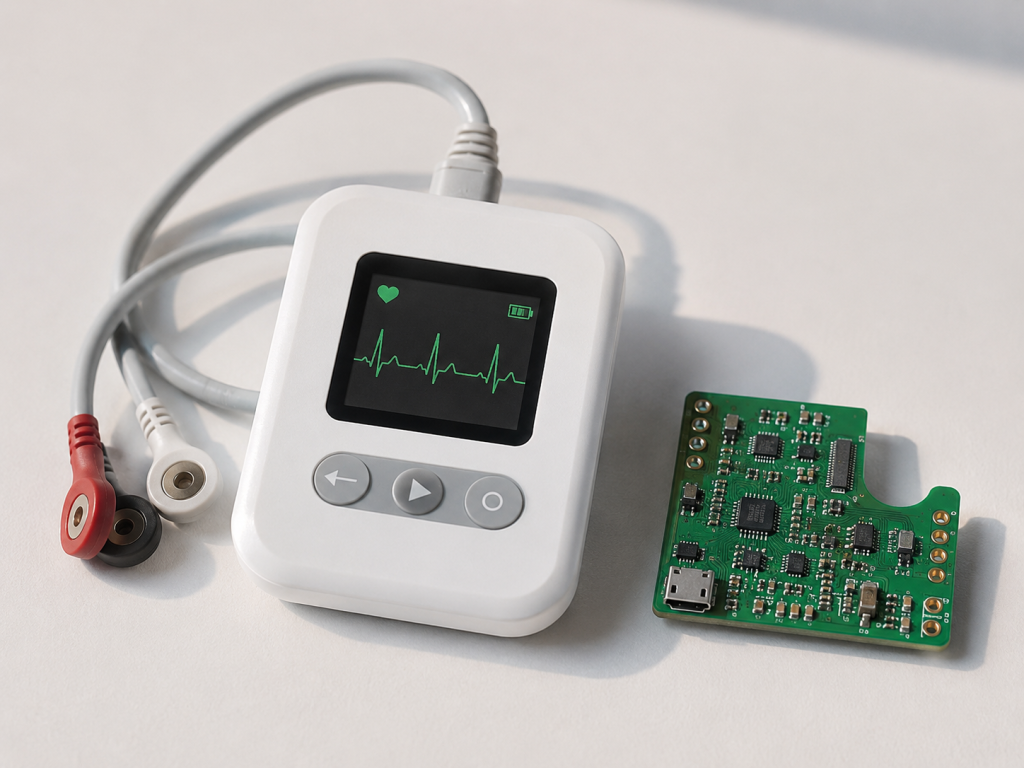
What Are the Challenges of Micro PCB for Medical Devices Assembly? How Does We Solve Them?
Assembling micro PCB for medical devices calls for extreme precision and strict quality control. Tiny components and zero-defect expectations mean even small mistakes risk device failure and patient harm. Below are core assembly challenges and effective solutions.
Core Assembly Challenges:
- Pinpoint placement accuracy for ultra-fine components is critical for 01005 parts on micro PCB for medical devices.
- Consistent solder paste application on 0.25mm pitch micro pads is hard to control.
- Thermal damage risk during reflow soldering threatens sensitive micro components.
- Hidden solder joint flaws in BGAs and fine-pitch parts slip past visual checks.
- Post-assembly thermal stress wear weakens solder joints over time.
- High ESD vulnerability of dense micro circuits raises handling risks.
- Full process traceability for medical compliance adds complexity to assembly workflows.
Our Solutions:
- Deploy high-precision SMT placement machines with 0.01mm accuracy to handle 01005 components reliably.
- Use laser-cut stencils with optimized aperture designs for consistent paste volume on micro pads.
- Run customized thermal reflow profiles with ±2°C control to avoid overheating components.
- Combine AOI and X-ray inspection to spot hidden voids, misalignment, and insufficient solder.
- Conduct post-assembly thermal stress tested for PCB cycling to confirm solder joint reliability.
- Maintain fully ESD-protected manufacturing spaces with grounded workstations and anti-static materials.
- Implement end-to-end traceability systems that track components, processes, and test results for full compliance.
Why Choose Best Technology as Micro PCB for Medical Devices Manufacturer?
Picking the right manufacturer is make-or-break for micro PCB for medical devices projects. Best Technology brings decades of specialized experience, advanced production capabilities, and an unwavering focus on quality and compliance. We deliver tailored solutions that address unique medical device needs and support long-term business goals.
- 19+ Years of Specialized Medical PCB Expertise Deep hands-on experience making micro PCB for medical devices means we fully understand unique challenges, regulatory demands, and performance expectations. This expertise cuts risk, boosts quality, and speeds up time to market.
- Comprehensive One-Stop PCB and PCBA Solutions Full-service offerings cover PCB design, prototype fabrication, mass production, component sourcing, and assembly. This integrated approach ensures consistent quality, clear communication, and faster project delivery.
- Ultra Precision Manufacturing Capabilities Advanced equipment supports line widths down to 2 mil, microvias as small as 0.1mm, and substrate thickness starting at 0.2mm. Monthly capacity of 260,000 square feet lets us scale for projects of all sizes.
- Strict Medical-Grade Quality Certifications Full compliance with ISO 13485, ISO 9001, IATF 16949, AS9100D, RoHS, REACH, and UL standards guarantees global regulatory acceptance and patient safety.
- Rapid Response and Expedite Services Urgent micro PCB for medical devices prototypes and small batches ship within 24 hours. Flexible production schedules adapt to tight deadlines without sacrificing quality.
- Advanced Reliability Testing and Validation Every micro PCB for medical devices undergoes thermal stress tested for PCB protocols, vibration cycling, humidity exposure, and electrical validation to lock in long-term reliability.
- Dedicated R&D and Continuous Improvement Consistent investment in research and development keeps our processes, materials, and tech aligned with evolving medical device needs, ensuring top performance and competitive edge.
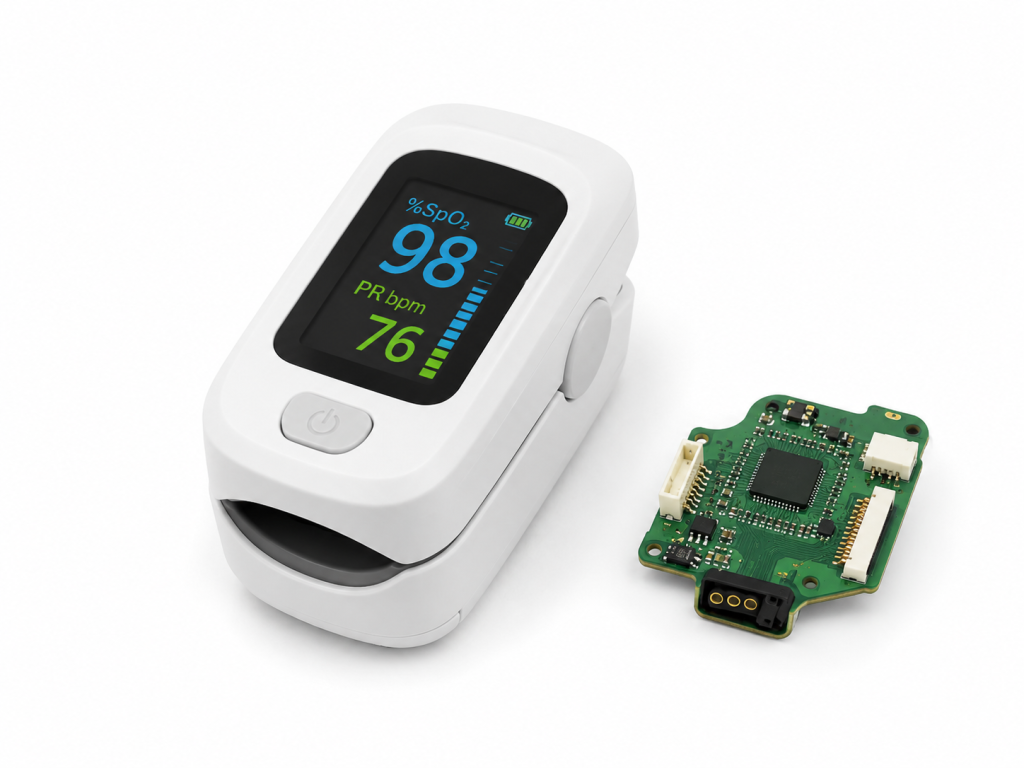
What Types of Micro PCBs Can We Provide for Medical Devices?
Best Technology offers a wide range of micro PCB types built specifically for medical device applications. Each type delivers unique electrical, mechanical, and thermal properties tailored to specific clinical needs and operating environments.
- Metal Core PCB: Delivers exceptional thermal conductivity for high-power medical devices like surgical tools and diagnostic equipment. Efficient heat dissipation prevents thermal damage and keeps performance stable.
- Ceramic PCB: Offers superior electrical insulation, high-temperature resistance, and consistent dimensional stability for implantable and high-frequency medical devices. Perfect for long-term implants and precision diagnostic gear.
- High TG FR4 PCB: Balances performance well for general medical applications, with glass transition temperatures above 170°C. Resists thermal cycling and mechanical stress during sterilization and daily use.
- HDI PCB: Enables extreme miniaturization with microvias and fine line widths for wearables and implants. Packs maximum functionality into minimal space.
- Flexible and Rigid Flex PCB: Fits complex shapes and handles repeated bending for wearable medical devices and interconnects. Combines rigidity in critical areas with flexibility in bend zones.
- High Frequency PCB: Preserves signal integrity at high frequencies for wireless medical monitors and diagnostic tools. Minimizes signal loss and electromagnetic interference.
- Extra Thin PCB: Comes in thicknesses from 0.2mm to 0.6mm for ultra-compact wearables and implants. Shrinks overall device size while keeping structural integrity intact.
Which Quality Certification Standards Do Our Medical Device Micro PCB Comply With?
Meeting strict international quality certification standards is non-negotiable for micro PCB for medical devices. Best Technology holds comprehensive certifications to ensure global regulatory approval, patient safety, and consistent product performance.
- ISO 13485:2016 The core quality management certification for medical device makers. Confirms compliance with regulatory rules for design, development, production, and servicing.
- ISO 9001:2015 Proves adherence to universal quality management principles. Ensures steady product quality, tight process control, and reliable customer satisfaction across all operations.
- IATF 16949 A rigorous standard for reliability, consistency, and defect prevention. Highly valued for micro PCB for medical devices used in critical care and life-saving equipment.
- AS9100D An aerospace-grade quality standard that adds extra assurance of precision, reliability, and thorough documentation. Ideal for high-performance medical devices.
- RoHS Compliance Restricts harmful substances in electronic equipment. Ensures micro PCB for medical devices meet EU safety and environmental rules.
- REACH Compliance Regulates the registration, evaluation, authorization, and restriction of chemical substances. Guarantees materials in micro PCB for medical devices meet strict health and safety standards.
- UL Certification Verifies compliance with electrical component safety standards. Ensures micro PCB for medical devices meet strict safety rules for use in medical equipment.
What Quality Inspection Do We Implement for Medical Micro PCB and PCBA Orders?
Strict quality checks ensure every micro PCB for medical devices meets specs and reliability expectations. Best Technology uses a multi-stage inspection process that covers 100% of critical details from start to finish.
- Incoming Material Verification Checks all raw materials including substrates, copper foils, solder masks, components for compliance with medical-grade specs and certifications.
- Automated Optical Inspection Uses high-resolution cameras to verify trace width, spacing, copper coverage, and layer alignment with micron-level accuracy at key production stages.
- Electrical Testing Runs continuity, isolation, and impedance checks to confirm electrical functionality and signal integrity for every single board.
- Thermal Stress Testing Exposes micro PCB for medical devices to temperature cycles from -40°C to 85°C to validate performance under extreme thermal conditions.
- X-Ray Inspection Examines hidden solder joints especially for BGAs and fine-pitch parts to spot voids, insufficient solder, or misalignment.
- Mechanical Stress Testing Conducts bend, vibration, and humidity tests to confirm mechanical durability and resistance to real-world environmental factors.
- Final Documentation Review Verifies all certifications, test reports, and traceability records are complete, accurate, and aligned with customer and regulatory needs.
How Do We Ensure High Precision Quality for Medical Micro PCB and PCBA Orders?
Delivering high-precision quality for micro PCB for medical devices needs advanced tech, strict processes, and meticulous attention to detail. Best Technology hits micron-level precision by controlling every production parameter and validating results continuously.
- Advanced Manufacturing Equipment Uses CNC drilling machines with 0.01mm resolution, laser direct imaging systems, and high-precision plating gear for consistent micron-level accuracy.
- Statistical Process Control Monitors key production parameters in real time with automated feedback systems. Adjusts processes on the fly to keep tight tolerances and avoid quality drift.
- Clean Room Manufacturing Maintains controlled temperature, humidity, and air purity. Eliminates environmental variables that could hurt precision or introduce contamination.
- Expert DFM Reviews Conducts detailed design-for-manufacturability reviews before production. Spots potential precision issues early and optimizes designs for maximum yield and reliability.
- Multi Level Validation Testing Confirms precision at every stage from initial prototypes to mass production. Includes dimensional checks, electrical performance tests, and thermal stress tested for PCB validation.
- Precision Material Handling Minimizes physical stress on delicate substrates and copper features. Prevents bending, scratching, or contamination during production and assembly.
- Continuous Improvement Programs Analyzes production data, customer feedback, and industry advancements. Refines processes and boosts precision capabilities specifically for micro PCB for medical devices.
How Do We Ensure On-Time Delivery for Medical Micro PCB and PCBA Orders?
Getting micro PCB for medical devices delivered on time is critical to avoid delays in clinical trials, product launches, and patient care. Best Technology ensures reliable delivery through smart capacity planning, streamlined workflows, and dedicated project management.
- Strategic Capacity Management Keeps enough production capacity to handle both regular and urgent orders. Monthly capacity of 260,000 square feet supports seamless scaling for any project size.
- Streamlined Manufacturing Workflows Cuts bottlenecks and shortens cycle times through process optimization and automation. Standardized work steps ensure consistent, predictable processing times.
- Dedicated Project Management Assigns a dedicated coordinator to every order. Tracks progress, resolves issues fast, and shares regular updates for full visibility.
- Advanced Material Planning Uses smart inventory software to ensure all components and materials are ready when needed. Prevents production delays from material shortages.
- Expedite Service Capabilities Offers 24-hour turnaround for urgent prototypes and small batches. Fast response supports time-sensitive medical device development.
- Logistics Optimization Partners with trusted medical-grade shipping providers. Ensures safe, on-time delivery with full tracking and insurance for finished products.
- Risk Mitigation Strategies Spots potential risks early in production. Puts backup plans in place to resolve issues before they cause delays.
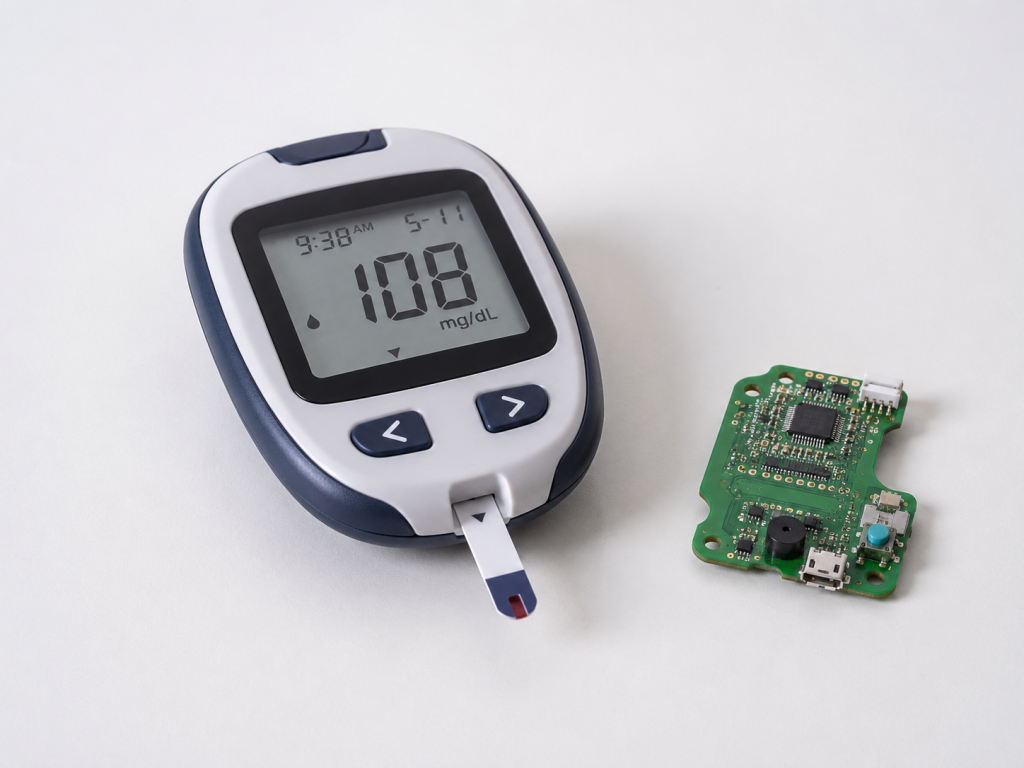
FAQs About Micro PCB for Medical Devices
Q1: What makes micro PCB for medical devices different from regular PCB?
A1: Micro PCB for medical devices stand out in four key ways. Size and density are far more extreme. Reliability needs are way higher. Regulatory rules demand extra certifications. Testing standards include thermal stress tested for PCB validation and long-term reliability checks.
Q2: What materials are commonly used for micro PCB in medical devices?
A2: Common materials include high-Tg FR4 for general use, ceramic substrates for implants, polyimide flex materials for wearables, and metal cores for high-power tools. Each material is chosen for thermal, mechanical, and biocompatibility fit.
Q3: How small can micro PCB for medical devices be manufactured?
A3: Micro PCB for medical devices can be made as thin as 0.2mm and support 01005 components. Lines as narrow as 2 mil work with HDI tech. Microvias as small as 0.1mm enable dense circuits. Modern manufacturing supports simple circuits smaller than 5mm × 5mm.
Q4: What certifications are required for medical device micro PCB?
A4: Must-have certifications include ISO 13485:2016, ISO 9001:2015, IATF 16949, RoHS and REACH, UL certification, and AS9100D. Extra checks may include biocompatibility testing.
Q5: What is the typical lead time for medical micro PCB orders?
A5: Standard prototypes take 5–7 business days. Expedited prototypes ship in 24–48 hours. Small batches take 7–10 days. Mass production needs 10–15 days. PCBA assembly adds 3–5 days.
Q6: How are micro PCB for medical devices tested for reliability?
A6: Micro PCB for medical devices go through thorough reliability tests including thermal cycling, vibration testing, humidity testing, thermal shock testing, electrical tests, and solder joint checks. All tests follow IPC and medical standards.
Q7: Can you provide design support for medical micro PCB projects?
A7: Yes, we offer full design support including DFM reviews, signal integrity analysis, thermal analysis, material selection guidance, and regulatory compliance consulting. Our team supports projects from concept to final validation.
Request a Quote for High-Precision Micro PCB for Medical Devices
Ready to move your medical device project forward with high-precision micro PCB for medical devices? Partner with Best Technology to tap into 19+ years of specialized experience, comprehensive manufacturing capabilities, and uncompromising quality standards. Every project benefits from our expertise in thermal stress tested for PCB validation, regulatory compliance, and advanced manufacturing techniques built to deliver reliable performance when patient safety is on the line. Reach out today to share your specific needs, get a detailed quote, and see how our tailored micro PCB solutions can speed up your medical device development journey. Contact us now: sales@bestpcb.vn.