 language
 english


What is screen printing for PCB? Professional PCB Printing Factory
What is screen printing in PCB?
Screen printing for PCB is a precise, controlled process used to transfer ink—typically conductive, insulating, or legend ink—onto a printed circuit board through a mesh stencil. At its core, it relies on a patterned screen that allows ink to pass only through designated openings, forming accurate markings or functional layers on the PCB surface. While the concept may sound straightforward, the execution demands high precision, especially in modern electronics where component density continues to increase.
In PCB manufacturing, screen printing is most commonly associated with silkscreen (legend) printing, solder paste application, and occasionally resist layers. The process involves aligning the stencil with the PCB, applying ink across the screen, and using a squeegee to push the ink through the open mesh areas. The result is a consistent, repeatable print that adheres well to the board surface.
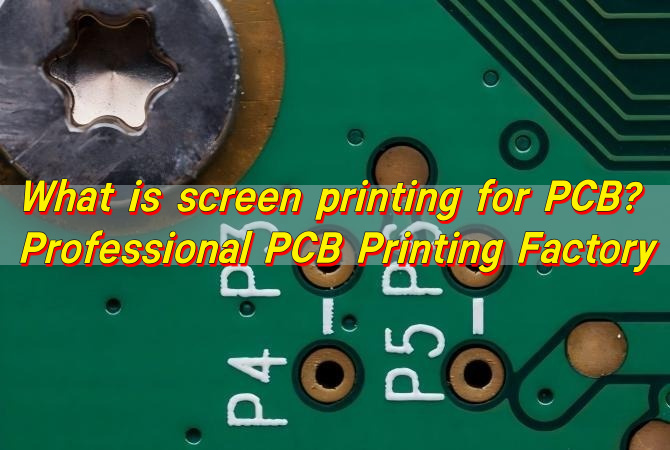
From a manufacturing standpoint, this method remains highly valued because it balances cost efficiency with reliable output. Unlike purely digital approaches, it does not require complex software integration for each pass, making it particularly suitable for large-volume production runs. At the same time, advancements in mesh materials and ink formulations have significantly improved resolution and durability, ensuring it still meets modern industry demands.
For companies like Best Technology, which specialize in high-quality PCB fabrication, screen printing continues to be a foundational technique. It plays a critical role in ensuring boards are not only functional but also easy to assemble, identify, and maintain in real-world applications.
What material is used for PCB silkscreen?
The materials used in PCB silkscreen printing are carefully selected to ensure durability, clarity, and compatibility with the board’s surface. The most visible result of screen printing is the white (or sometimes colored) markings you see on a PCB—component labels, polarity indicators, logos, and reference designators. These markings must remain legible throughout the product’s lifecycle, even under thermal stress and environmental exposure.
The primary materials involved include:
- Epoxy-based inks: These are widely used due to their strong adhesion and resistance to heat and chemicals. They are ideal for boards that undergo soldering processes.
- UV-curable inks: Increasingly popular in modern PCB factories, these inks cure quickly under ultraviolet light, enabling faster production cycles and sharper print quality.
- Acrylic inks: Sometimes used for less demanding applications, though they typically offer lower durability compared to epoxy or UV inks.
- Mesh screens (polyester or stainless steel): These define the print resolution and control ink flow.
- Emulsion coatings: Applied to the screen to create the stencil pattern.
Each material contributes to the overall quality of the print. For example, a high-tension stainless steel mesh can achieve finer detail, which is essential for compact PCB layouts. Meanwhile, UV inks enhance production efficiency without compromising performance.
How to apply silkscreen on PCB?
Applying silkscreen on a PCB is a structured process that requires careful setup and quality control at every stage. While automation has streamlined many aspects, the fundamental workflow remains consistent across the industry.
Here is a simplified overview of the steps involved:
- Design preparation: The silkscreen layer is created in PCB design software, containing all necessary markings.
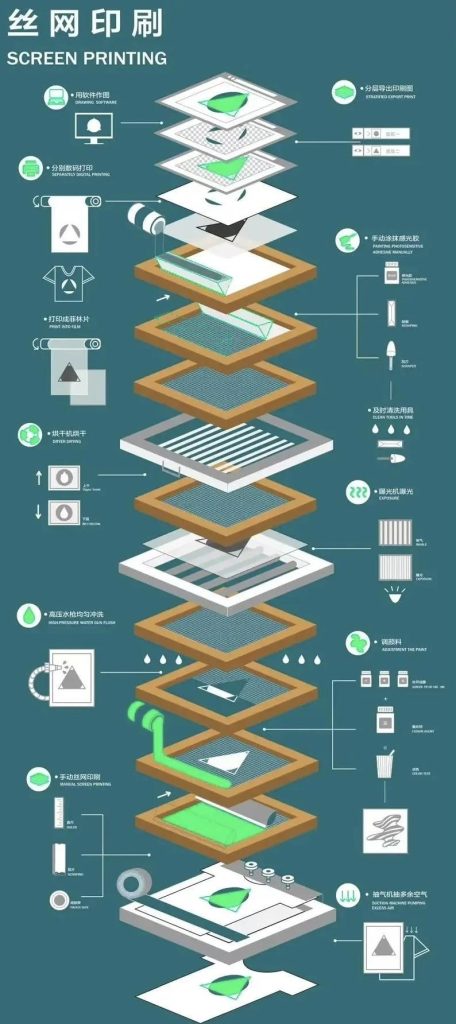
- Screen creation: A mesh screen is coated with photosensitive emulsion and exposed to UV light using the design pattern.
- Alignment: The PCB is positioned precisely under the screen to ensure accurate placement.
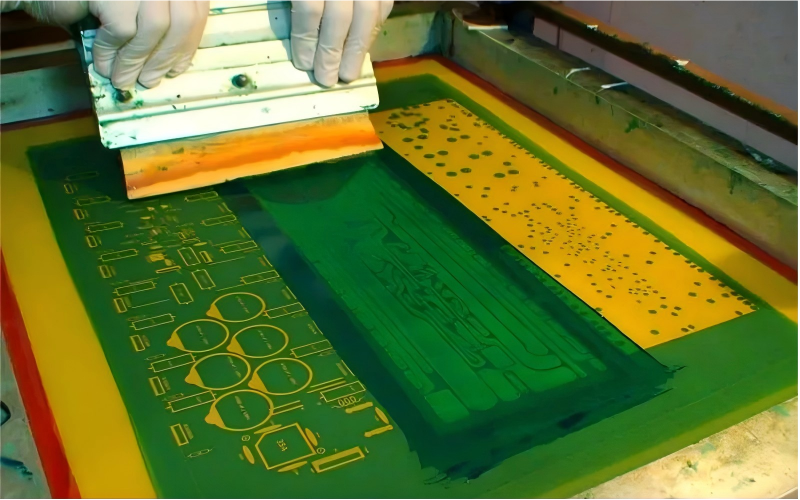
- Ink application: Ink is poured onto the screen and spread using a squeegee, forcing it through the open areas.
- Curing: The printed board is cured using heat or UV light, depending on the ink type.
- Inspection: The final print is checked for clarity, alignment, and completeness.
Each step must be tightly controlled. Even slight misalignment can lead to incorrect labeling, which may cause assembly errors later. This is why experienced manufacturers like Best Technology invest in precision alignment systems and rigorous inspection protocols.
In high-volume production, automated screen printing machines are often used. These systems ensure consistent pressure, speed, and positioning, significantly reducing human error while increasing throughput.
What types of ink are used for PCB screen printing?
Ink selection plays a decisive role in the performance and longevity of PCB screen printing. Different types of ink are used depending on the application, environmental requirements, and production method.
The most commonly used inks include:
- Epoxy inks
Known for excellent adhesion and chemical resistance, epoxy inks are widely used for silkscreen legends on PCBs that undergo soldering and cleaning processes. - UV-curable inks
These inks cure instantly under UV light, making them ideal for high-speed production lines. They also offer high resolution and strong durability. - Conductive inks
Used in specialized applications, these inks contain metallic particles (such as silver) and can create conductive traces. - Thermal curing inks
These require heat to cure and are often used when specific mechanical properties are needed.
Each type of ink is engineered to meet specific requirements. For example, UV screen printing ink for PCB applications is particularly valued for its ability to reduce cycle time while maintaining sharp detail. On the other hand, epoxy inks remain a reliable choice for applications where chemical resistance is critical.
What is the difference between screen printing and digital printing on PCBs?
Screen printing and digital printing are both used in PCB manufacturing, but they serve different purposes and come with distinct advantages. Understanding their differences helps manufacturers choose the most suitable method for a given project.
Screen printing is a traditional method that uses physical stencils, while digital printing relies on direct image transfer without screens. Each approach has its strengths.
Here is a clear comparison:
| Aspect | Screen Printing | Digital Printing |
|---|---|---|
| Setup | Requires stencil preparation | Minimal setup required |
| Cost efficiency | More economical for large volumes | Better for small batches |
| Print speed | High once set up | Moderate |
| Resolution | Good, depends on mesh quality | Very high precision |
| Flexibility | Limited design changes | Highly flexible |
| Ink thickness | Can be thicker | Typically thinner layers |
In practical terms, screen printing remains the preferred choice for mass production due to its cost-effectiveness and reliability. Digital printing, however, is gaining traction for prototyping and low-volume runs where design flexibility is crucial.
At Best Technology, both methods can complement each other depending on project requirements, ensuring clients receive optimized solutions tailored to their production scale.
What lasts longer, DTF or screen print?
When comparing durability, screen printing generally outperforms Direct-to-Film (DTF) printing, especially in industrial applications like PCBs. While DTF is widely used in textile printing, it is not typically suited for electronic manufacturing environments.
Screen printing inks used on PCBs are formulated to withstand:
- High temperatures during soldering
- Chemical exposure during cleaning processes
- Mechanical wear during handling and operation
In contrast, DTF prints are designed for flexibility and fabric adhesion rather than long-term durability under harsh conditions. This makes screen printing the clear choice for PCB applications where reliability is non-negotiable.
What to put on a PCB silkscreen?
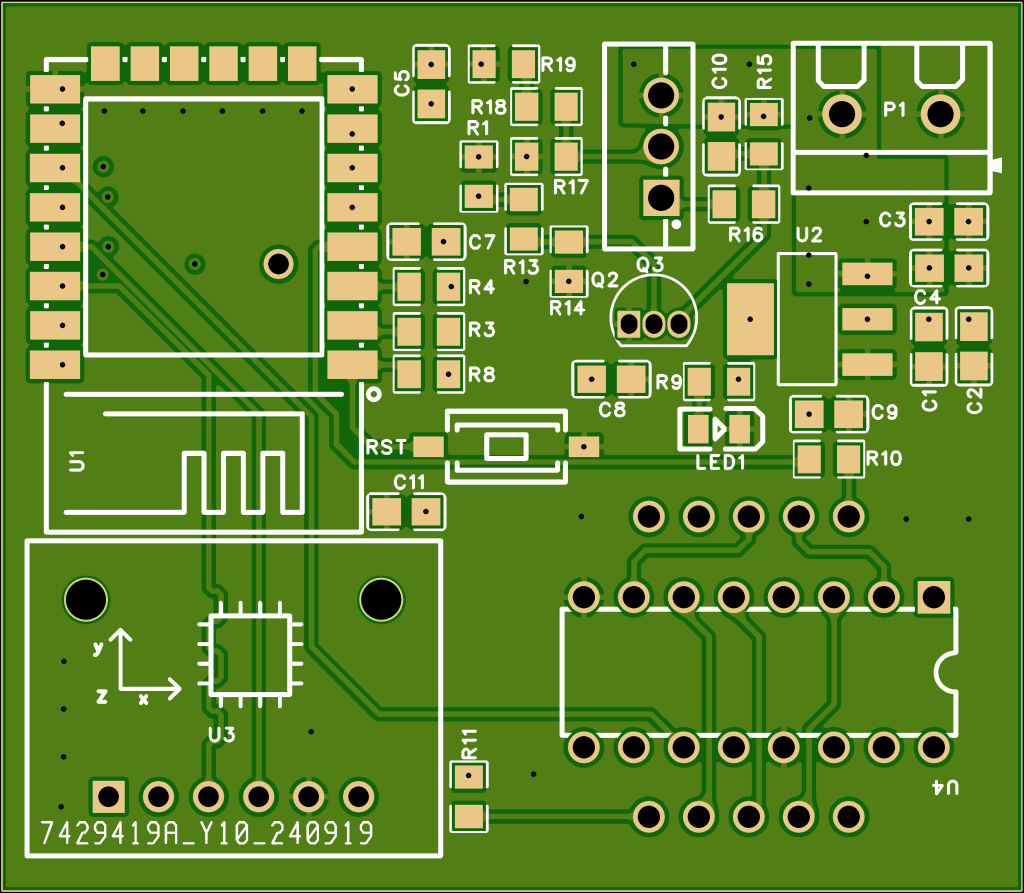
A well-designed PCB silkscreen improves assembly efficiency and reduces the risk of errors. It serves as a visual guide for engineers, technicians, and maintenance teams.
Common elements included in PCB silkscreen are:
- Component reference designators (R1, C2, U3, etc.)
- Polarity indicators for diodes and capacitors
- Pin 1 markers for integrated circuits
- Company logos and branding
- Warning symbols or safety instructions
- Test points and connector labels
The key is to strike a balance between clarity and space constraints. Overcrowding the silkscreen can make it difficult to read, while insufficient labeling can lead to confusion during assembly.
How to print screens for screen printing?
Creating the screen itself is a critical step in the screen printing process. It determines the accuracy and consistency of the final print.
The process typically involves:
- Selecting the appropriate mesh material and count
- Coating the mesh with a photosensitive emulsion
- Exposing the screen to UV light through a film mask
- Washing out the unexposed areas to create the stencil
- Drying and inspecting the finished screen
This process requires precision and expertise. Any defects in the screen can directly impact print quality. In high-end PCB manufacturing, automated exposure systems are often used to ensure uniform results.
Which is better, silkscreen or heat press?
Silkscreen and heat press serve entirely different purposes, so comparing them depends on the application. In the context of PCB manufacturing, silkscreen is the standard method, while heat press is not typically used.
Here is a quick comparison:
| Feature | Silkscreen Printing | Heat Press |
|---|---|---|
| Application | PCB marking and labeling | Textile printing |
| Durability | High | Moderate |
| Precision | High | Limited for electronics |
| Suitability for PCB | Excellent | Not suitable |
Silkscreen printing is specifically engineered for rigid substrates like PCBs, offering superior adhesion and precision. Heat press methods are better suited for fabrics and flexible materials.
What is the lifespan of screen printing?
The lifespan of screen printing on PCBs is typically aligned with the lifespan of the board itself. High-quality silkscreen markings can remain legible for many years, even under demanding conditions.
Factors that influence longevity include:
- Ink type and curing method
- Environmental exposure (heat, moisture, chemicals)
- Mechanical wear
- Quality of surface preparation
In industrial and automotive applications, properly applied screen printing can last over a decade without significant degradation. This reliability is one of the reasons it remains a preferred method in PCB manufacturing.
What material can you not screen print on?
Screen printing is versatile, but it does have limitations. Certain materials are not ideal for this process, particularly those that do not allow proper ink adhesion.
Examples include:
- Extremely smooth or non-porous surfaces without pre-treatment
- Highly flexible materials that deform during printing
- Surfaces contaminated with oil, dust, or moisture
- Materials that cannot withstand curing temperatures
In PCB manufacturing, these limitations are rarely an issue because boards are specifically designed to accommodate printing processes. However, understanding these constraints helps ensure consistent quality.
What is screen printing used for on PCB boards?
Screen printing serves multiple essential functions in PCB production, extending beyond simple labeling. It contributes to both functionality and usability.
Key applications include:
- Silkscreen legends for identification and assembly guidance
- Solder paste application for component mounting
- Protective layers in certain specialized designs
- Branding and traceability markings
In modern electronics manufacturing, clarity and precision are critical. Screen printing ensures that every board carries the necessary information for efficient assembly and maintenance.
For companies like Best Technology, integrating advanced screen printing techniques into PCB production helps deliver consistent, high-quality results. Whether for consumer electronics or industrial systems, this process plays a vital role in ensuring performance and reliability.
Summary:
Screen printing for PCB remains a cornerstone of modern electronics manufacturing. It combines precision, efficiency, and durability, making it indispensable for both functional and visual elements on circuit boards. From silkscreen legends to specialized ink applications, the process supports every stage of a PCB’s lifecycle.
If you are looking for a professional PCB printing partner with proven expertise and fast turnaround, Best Technology is ready to support your project with precision and consistency.
For inquiries and technical support, feel free to contact: sales@bestpcb.vn