 language
 english


Medical Device Box Build | Complete Assembly Guide for High-Reliability Manufacturing
Medical device box build is a fully integrated manufacturing service that combines PCB assembly, enclosure integration, cable harnessing, and system-level testing under strict regulatory standards such as ISO 13485. It transforms individual electronic and mechanical parts into a ready-to-use medical system. This guide explains how medical device box build assembly works, the key challenges engineers face, and how to choose a reliable partner like Best Technology for compliant production.
At Best Technology, we specialize in end-to-end Medical Device Box Build Assembly solutions. Our vertically integrated service covers everything from advanced PCB fabrication and assembly to full system integration, all under stringent ISO 13485-compliant processes. We partner with you from the Design for Manufacturability (DFM) stage, leveraging our expertise in materials, precision engineering, and regulatory requirements to optimize your design for reliability and compliance. From cable harnessing and enclosure build to comprehensive functional and environmental testing, we manage the entire supply chain. Our goal is to deliver a fully validated, high-quality medical device ready for market, allowing you to focus on innovation while we ensure manufacturing excellence. Pls feel free to contact Best Technology at sales@bestpcb.vn for reliable, end-to-end medical box build solutions.
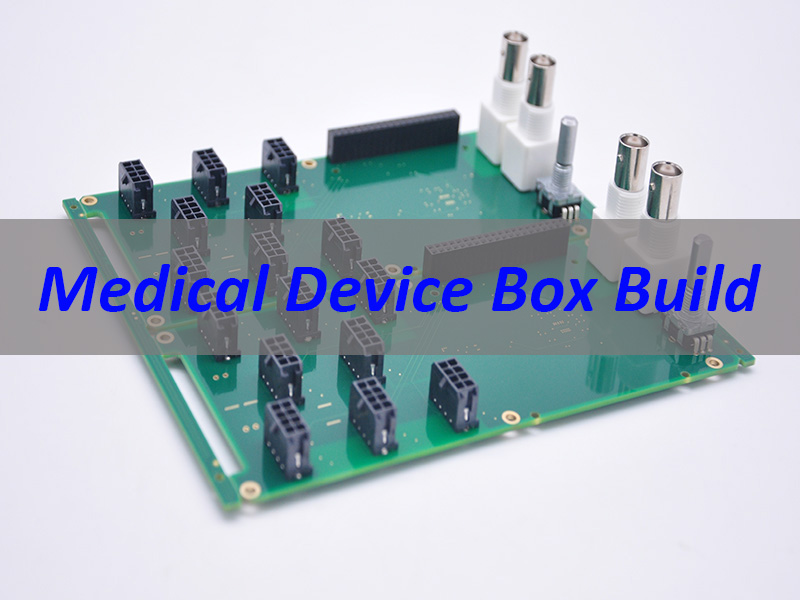
What Is Medical Device Box Build in Electronics Manufacturing?
Medical device box build refers to the complete assembly of a medical product beyond the PCB level. It includes mechanical enclosure installation, wiring, connectors, displays, and final system testing. Unlike standard PCBA, this process delivers a finished device ready for clinical or commercial use.
In practical terms, medical device box builds combine multiple disciplines into one controlled workflow. Electrical engineering, mechanical integration, and quality assurance must operate in sync. The result is a functional system such as a patient monitor, diagnostic unit, or wearable medical device.
This approach reduces supply chain complexity. Instead of coordinating multiple vendors, OEMs can rely on one partner like Best Technology to manage the entire build process, which significantly improves consistency, traceability, and quality control.
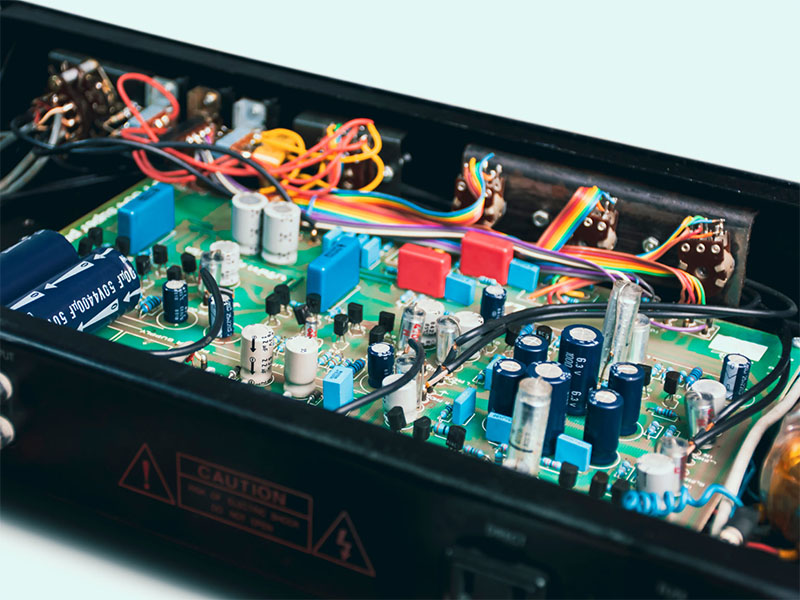
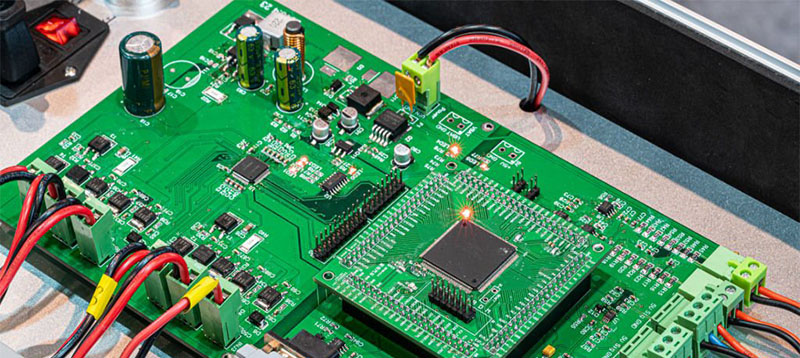
Why Is Medical Device Box Build More Complex Than Standard Assembly?
Medical applications demand far higher reliability than consumer electronics. A minor defect can lead to serious consequences. That is why medical device box build assembly requires stricter control at every stage.
Key challenges include:
- Long-term traceability: Every component must be traceable for up to 10–20 years.
- Regulatory compliance: Documentation must meet standards defined by organizations such as the FDA and ISO.
- Mixed integration: Combining electronics with mechanical housings introduces alignment and thermal challenges.
- Environmental control: Some assemblies require cleanroom or ESD-protected environments.
- Lifecycle management: Components must remain available and consistent over long product lifecycles.
These factors make medical device box builds fundamentally different from general electronics assembly, necessitating a manufacturer with proven expertise and rigorous process controls.
What Does a Medical Device Box Build Assembly Include?
A complete medical device box build assembly typically involves multiple stages, each with strict quality checkpoints.
- PCB Fabrication: Multilayer, HDI, or RF boards produced with controlled impedance and high reliability. At Best Technology, our fabrication capabilities support complex designs, including materials like high-TG FR4 (up to TG>180), Isola, Rogers, and Taconic for superior performance. We handle layer counts from 1 to 32 layers, with precise control over features like impedance and copper thickness (from HOZ to 20OZ).
- PCBA Assembly: SMT and through-hole processes with comprehensive AOI and X-ray inspection to ensure zero defects.
- Cable Harness Integration: Custom wiring for signal and power connections, executed with precision.
- Enclosure Assembly: Integration into plastic or metal housings with precise alignment, leveraging our expertise in mechanical tolerances and finishing.
- System-Level Testing: Functional verification, performance validation, and reliability testing in line with medical standards.
- Final Packaging: Anti-static, sterile, or protective packaging based on specific application needs.
Each step follows documented procedures to ensure repeatability, compliance, and that the final product meets all dimensional and functional specifications.
What Standards Must Medical Device Box Builds Follow?
Compliance is the foundation of medical manufacturing. Without it, products cannot enter regulated markets.
- ISO 13485: Defines the quality management system requirements for medical device design and manufacturing.
- FDA 21 CFR Part 820: Governs device approval and current Good Manufacturing Practices (cGMP) in the United States.
- EU MDR (Medical Device Regulation): Required for products sold in the European market.
These standards require strict documentation, process validation, and full traceability. For example, manufacturers must maintain comprehensive Device History Records (DHR) and Device Master Records (DMR) for each product batch and unit.
How Does the Medical Device Box Build Process Work?
The process is highly structured to ensure quality and repeatability. A typical workflow at Best Technology includes:
- Design for Manufacturability (DFM): Our engineers review your design files to identify and mitigate risks related to PCB fabrication (e.g., minimum trace/space, hole tolerances) and assembly.
- Material Procurement: We source components from approved suppliers, ensuring full traceability and longevity of supply.
- PCB and PCBA Production: Boards are fabricated in-house with our advanced capabilities (supporting features like laser blind vias as small as 0.1mm and high-precision impedance control) and assembled with 100% inspection.
- Mechanical Integration: Components are carefully installed into enclosures, with attention to details like connector alignment and thermal management.
- System Testing: We perform functional tests, burn-in, and environmental stress screening to validate performance and reliability.
- Quality Documentation: All production data, from material certifications to test results, is meticulously recorded to support your regulatory submissions.
Each stage includes multiple inspection checkpoints to prevent defects from propagating to the next step.
Medical Device Box Build vs Standard Box Build: What Are the Differences?
| Aspect | Standard Box Build | Medical Device Box Build |
|---|---|---|
| Quality System | ISO 9001 | ISO 13485 |
| Traceability | Batch-level | Unit-level tracking |
| Documentation | Basic records | DHR, DMR, validation reports |
| Testing | Functional testing | Functional + reliability + environmental testing |
| Risk Management | Limited | Full lifecycle risk control per ISO 14971 |
This comparison highlights why medical device box builds require specialized expertise and a quality-focused culture that permeates the entire organization.
What Types of Medical Devices Use Box Build Assembly?
Medical device box builds are widely used across various high-stakes applications:
- Patient monitoring systems (e.g., ECG, SpO2 monitors)
- Diagnostic imaging equipment (portable ultrasound, X-ray subsystems)
- Portable medical devices (infusion pumps, ventilators)
- Laboratory instruments (analyzers, DNA sequencers)
- Wearable healthcare electronics (continuous glucose monitors, cardiac event monitors)
Each application has unique requirements for safety, signal integrity (often requiring tightly controlled impedance from our PCB process), durability, and long-term performance.
How to Choose the Right Medical Device Box Build Supplier?
Selecting the right partner directly affects product success, regulatory approval, and time-to-market. Engineers and procurement teams should evaluate suppliers based on:
- Certification: Do they hold ISO 13485 certification and have experience with FDA/EU audits?
- Traceability: Can they track every component to the specific unit (lot/batch/serial number)?
- Engineering Support: Do they offer in-depth DFM/DFA and design optimization specifically for manufacturability and reliability?
- Supply Chain Control: Can they manage component obsolescence, shortages, and ensure supply chain transparency?
- Integrated Capability: Do they provide end-to-end services (PCB fab, PCBA, box build, testing) under one roof to improve accountability?
- Technical Capability: Do their process capabilities match your product’s technical needs? For instance, Best Technology supports advanced PCB requirements like high layer counts, various surface finishes (ENIG, Immersion Silver, ENEPIG), and tight tolerances for critical features.
At Best Technology, we are a leading provider of end-to-end Medical Device Box Build Assembly solutions. Our services integrate advanced PCB fabrication, precise electromechanical assembly, and comprehensive system testing, all compliant with stringent standards like ISO 13485. We partner with you from the initial design stage, offering expert DFM guidance and full supply chain management to ensure reliability and regulatory adherence. Backed by rigorous quality controls and a proven track record, we deliver fully validated, high-quality medical devices ready for market. We would be delighted to assist with your medical device assembly project. Please feel free to reach out to us at sales@bestpcb.vn to discuss your requirements further.
What Are Common Mistakes in Medical Device Box Build Projects?
Many projects encounter delays, compliance issues, or cost overruns due to avoidable mistakes:
- Ignoring regulatory requirements and design controls during early design stages.
- Selecting a manufacturer based solely on cost without verifying quality systems and medical experience.
- Using non-qualified or non-traceable components.
- Poor communication and lack of early collaboration between the design and manufacturing teams.
- Inadequate prototype testing and design validation before committing to mass production tooling.
Addressing these factors early with an experienced partner leads to smoother production, faster regulatory clearance, and a more reliable product.
In conclusion, medical device box build is more than an assembly process; it is a comprehensive, controlled manufacturing methodology that ensures patient safety, product reliability, and regulatory compliance. From the initial PCB design—where factors like material selection (e.g., high-TG FR4 for thermal reliability) and controlled impedance are critical—to final system testing, every step must be executed with precision and documented with care.
For engineers and product teams, choosing a manufacturing partner with proven medical industry expertise, robust quality systems like ISO 13485, and extensive technical capabilities is essential. A capable supplier simplifies production, mitigates risk, and accelerates your time to market.
If you are planning a medical device project and need reliable, end-to-end box build support, contact the Best Technology engineering team at sales@bestpcb.vn. We provide integrated solutions from advanced PCB fabrication to full system integration, backed by strict process control, complete traceability, and a commitment to quality that meets the highest medical standards.
FAQs About Medical Device Box Build
What is included in medical device box build assembly?
It includes everything from PCB fabrication and assembly, enclosure integration, wiring/cable harness, comprehensive testing, to final packaging. The goal is to deliver a complete, validated, and ready-to-use device.
Why is ISO 13485 critical for medical device manufacturing?
ISO 13485 is the international standard specifically for quality management systems in the medical device industry. It demonstrates a manufacturer’s commitment to consistent design, production, and delivery of safe and effective medical devices, which is a fundamental requirement for market access.
How long does a medical device box build project take?
Lead time depends on device complexity, regulatory class, and production volume. Prototype builds can take a few weeks, while full-scale production requires longer for process validation, test fixture development, and regulatory documentation. A detailed project plan from your supplier is essential.
Can one supplier handle both advanced PCB fabrication and full box build?
Yes. Partners like Best Technology offer vertically integrated services, managing everything from high-reliability PCB fabrication (utilizing our full range of materials and process capabilities) to full box build assembly. This integration improves communication, quality consistency, and overall project efficiency.