 language
 english


Metal Core Circuit Board – Aluminum & Copper Base PCB Solutions
What is metal core PCB?
A metal core circuit board is a type of printed circuit board that uses a metal base layer to improve heat dissipation and mechanical stability. Unlike traditional FR-4 boards, which rely on glass fiber and epoxy resin, this structure integrates a thermally conductive metal substrate such as aluminum or copper. This design allows heat generated by components to transfer efficiently away from critical areas. Instead of relying only on copper traces for heat spreading, the entire base layer participates in thermal management. This is why metal core PCBs are often referred to as IMS PCB, which stands for Insulated Metal Substrate PCB.
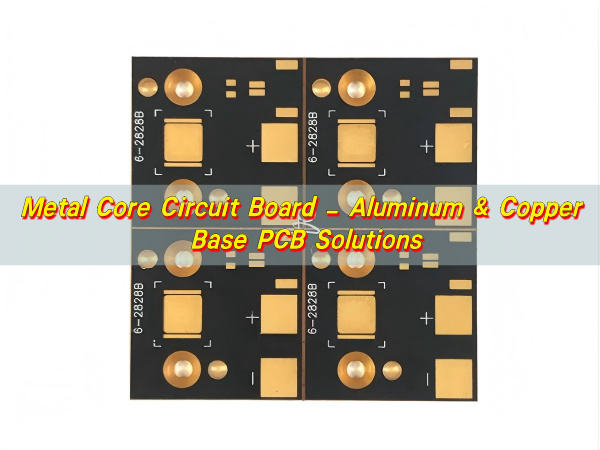
In practical applications, heat is one of the main factors affecting performance and reliability. When components operate at higher power levels, conventional boards may trap heat, which can lead to reduced lifespan or unstable behavior. A metal core printed circuit board addresses this issue by acting as a thermal bridge between components and the external environment.
Metal core boards are widely used in lighting, automotive electronics, and power conversion systems. These applications require consistent thermal performance and long-term stability.
What does metal core mean?
The term “metal core” refers to the base layer of the PCB structure, which is made of a conductive metal instead of insulating fiberglass. This metal core serves as a foundation for the entire circuit and plays a critical role in thermal management.
In a standard PCB, heat must travel through dielectric materials that are not efficient conductors. In contrast, a metal core circuit board allows heat to move quickly through the substrate and dissipate into a heatsink or surrounding air. This significantly reduces thermal resistance.
The metal core is not directly connected to the electrical circuit. It is separated by a dielectric layer, which ensures electrical insulation while still allowing heat transfer. This balance between insulation and conductivity is essential for safe and effective operation.
Common metals used include:
- Aluminum, which offers a good balance between cost and performance
- Copper, which provides higher thermal conductivity but at a higher cost
- Sometimes steel, used in specific mechanical applications
The choice of metal depends on the application requirements, including thermal load, cost constraints, and mechanical strength.
What is the structure of a metal core circuit board?
A metal core printed circuit board typically consists of three main layers, each designed to serve a specific function. The structure is simple in appearance but carefully engineered to achieve both electrical performance and thermal efficiency.
The three primary layers include:
- Copper circuit layer
- Dielectric insulation layer
- Metal base layer
The copper circuit layer is similar to that found in standard PCBs. It carries electrical signals and connects components. This layer can be single-sided or multilayer depending on design complexity.
The dielectric layer sits between the copper and the metal base. Its role is critical. It must provide electrical insulation while also allowing heat to pass through efficiently. The thermal conductivity of this layer directly impacts the overall performance of the metal core board.
The metal base layer forms the foundation of the PCB. It provides mechanical strength and acts as a heat spreader. In most cases, aluminum is used because it offers good thermal performance and is easier to process.
Some advanced designs may include additional layers, such as multilayer MCPCB structures or hybrid boards combining FR-4 and metal cores. These configurations are used in more complex electronic systems where both signal integrity and thermal control are required.
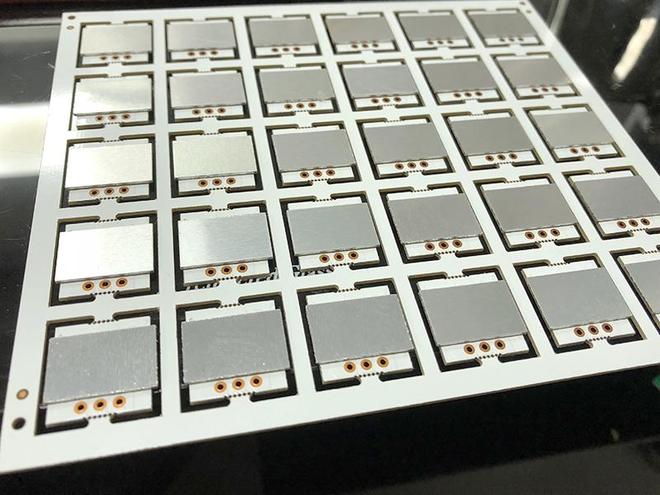
What are the advantages of a metal core circuit board?
Metal core circuit boards offer several advantages that make them suitable for demanding applications. These benefits are closely related to their structure and material properties.
One of the most important advantages is thermal performance. Heat can move quickly away from components, which helps maintain stable operating temperatures. This directly improves reliability and reduces the risk of failure.
Other key advantages include:
- Improved heat dissipation, reducing hotspots and thermal stress
- Higher power handling capability, allowing for compact designs
- Better mechanical strength, making the board more durable
- Reduced need for external heatsinks in some applications
- Enhanced lifespan of electronic components
Another benefit is design flexibility. Engineers can place high-power components closer together without worrying about excessive heat buildup. This enables more compact and efficient product designs.
From a manufacturing perspective, metal core PCB manufacturers can also achieve consistent quality due to the stable nature of metal substrates. This is especially important in industries where reliability is critical.
What is the difference between PCB and MCPCB?
A standard PCB and a metal core PCB differ mainly in their base materials and thermal performance. While both serve the same fundamental purpose, their structures and applications vary significantly.
A traditional PCB uses FR-4 material, which is an insulating composite made of fiberglass and epoxy resin. It is suitable for general-purpose electronics but has limited thermal conductivity.
An MCPCB, or metal core printed circuit board, replaces the FR-4 base with a metal substrate. This change dramatically improves heat dissipation and allows the board to handle higher power loads.
Below is a clear comparison:
| Feature | Standard PCB (FR-4) | MCPCB (Metal Core PCB) |
|---|---|---|
| Base Material | Fiberglass (FR-4) | Aluminum or Copper |
| Thermal Conductivity | Low | High |
| Heat Dissipation | Limited | Excellent |
| Power Handling | Moderate | High |
| Cost | Lower | Higher |
| Application | General electronics | High-power, LED, automotive |
In summary, standard PCBs are suitable for low to medium power applications, while MCPCBs are designed for environments where thermal management is critical.
What materials are used in metal core circuit boards?
The performance of a metal core circuit board depends heavily on the materials used in its construction. Each layer must be carefully selected to balance electrical insulation, thermal conductivity, and mechanical strength.
The main materials include:
- Copper foil for circuit layers
- Thermally conductive dielectric material
- Metal substrate such as aluminum or copper
The dielectric material is particularly important. It determines how effectively heat can pass from the copper layer to the metal base. Advanced dielectric materials can achieve thermal conductivity values ranging from 1 W/mK to over 10 W/mK.
Aluminum is the most common metal core substrate due to its cost-effectiveness and good thermal performance. Copper, on the other hand, offers superior thermal conductivity but is more expensive and heavier.
Some specialized applications may use composite materials or hybrid structures. These designs aim to combine the benefits of different materials to achieve optimal performance.
At Best Technology, material selection is handled carefully based on application requirements. This ensures that each metal core PCB delivers reliable performance under real operating conditions.
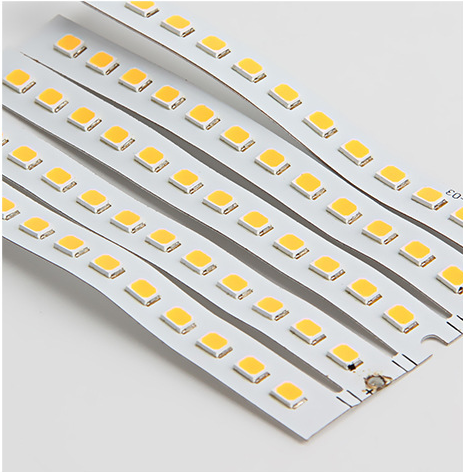
How does thermal conductivity work in metal core PCB?
Thermal conductivity in a metal core PCB is achieved through a combination of material properties and structural design. The goal is to transfer heat away from components as quickly as possible.
When a component generates heat, the energy first moves through the copper circuit layer. From there, it passes into the dielectric layer. The efficiency of this transfer depends on the thermal conductivity of the dielectric material.
Once the heat reaches the metal base, it spreads across the entire substrate. The metal acts as a heat sink, distributing thermal energy and allowing it to dissipate into the environment.
The process can be summarized as follows:
- Heat generation at component level
- Transfer through copper layer
- Passage through dielectric layer
- Spreading across metal substrate
- Dissipation into air or external heatsink
This layered heat flow reduces localized hotspots and maintains uniform temperature distribution. As a result, components operate within safe limits, which improves performance and longevity.
What is the difference between aluminum and copper metal core PCB?
Aluminum and copper are the two most common materials used in metal core PCBs. Each has its own advantages and is suitable for different applications.
Aluminum is widely used because it offers a good balance between cost, weight, and thermal performance. It is easy to process and suitable for large-scale production.
Copper, on the other hand, provides higher thermal conductivity and better electrical performance. However, it is more expensive and heavier, which may limit its use in some applications.
Here is a detailed comparison:
| Feature | Aluminum MCPCB | Copper MCPCB |
|---|---|---|
| Thermal Conductivity | Moderate | Very High |
| Cost | Lower | Higher |
| Weight | Light | Heavy |
| Machinability | Easy | More Difficult |
| Application | LED lighting, power modules | High-end electronics, aerospace |
In most commercial applications, aluminum-based MCPCB LED solutions are preferred due to their cost efficiency. Copper-based boards are used in high-performance systems where maximum thermal conductivity is required.
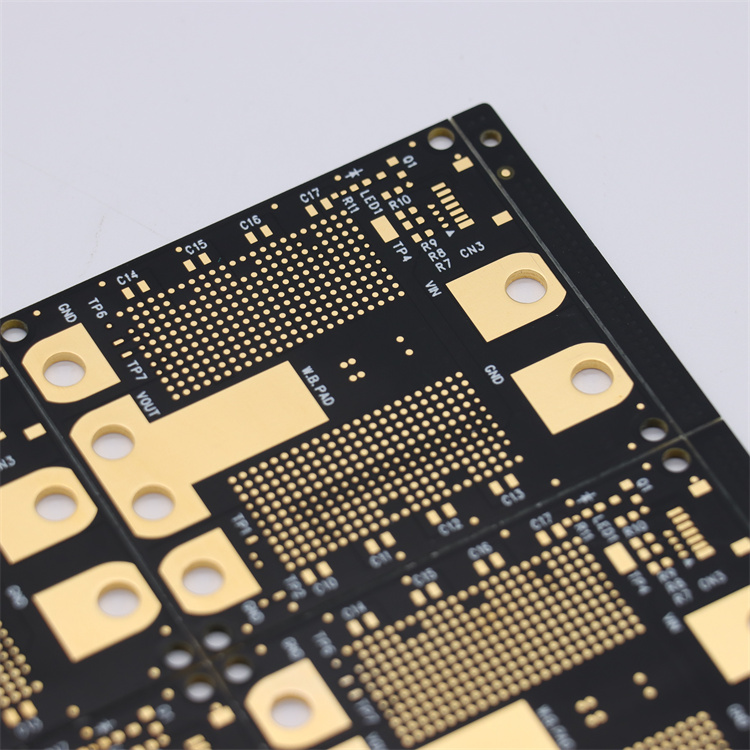
What industries use metal core circuit boards?
Metal core circuit boards are used in industries where heat management and reliability are critical. Their ability to handle high power and maintain stable temperatures makes them suitable for a wide range of applications.
Common industries include:
- LED lighting, including street lights and industrial lighting systems
- Automotive electronics, such as headlights and power control units
- Power electronics, including converters and inverters
- Telecommunications equipment
- Consumer electronics with high power density
In LED applications, MCPCB LED designs are essential because LEDs generate significant heat during operation. Without proper thermal management, their brightness and lifespan would be affected.
In automotive systems, reliability is a top priority. Metal core boards ensure stable performance even under harsh environmental conditions.
At Best Technology, metal core PCB solutions are developed to meet the demands of these industries. With experience in both aluminum and copper-based designs, the company supports projects from prototype to mass production.
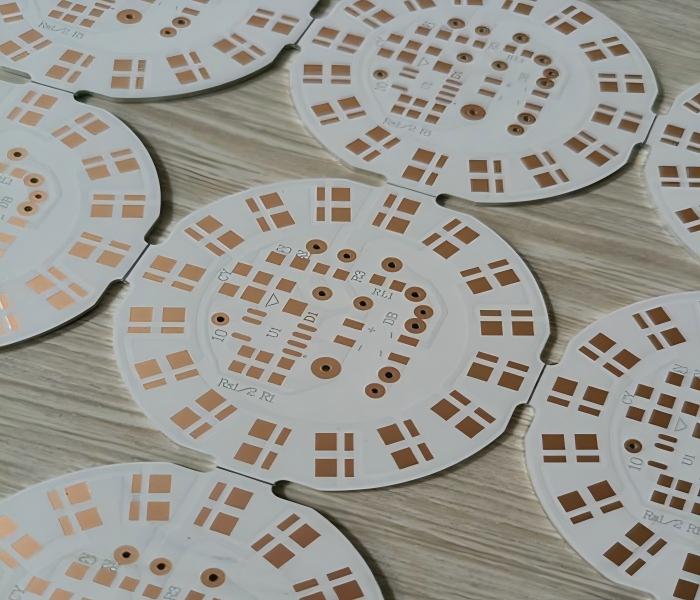
Conclusion:
Metal core circuit boards provide a practical solution for managing heat in modern electronic systems. Their structure allows efficient thermal transfer, which improves reliability and supports higher power densities. Compared to standard PCBs, they offer clear advantages in demanding environments.
Aluminum and copper substrates each serve different needs, giving designers flexibility in balancing cost and performance. As electronic devices continue to become more compact and powerful, the importance of effective thermal management will only increase.
Best Technology offers professional metal core PCB manufacturing services, supporting a wide range of applications with stable quality and fast delivery. If you are planning a project that requires reliable thermal performance, feel free to contact sales@bestpcb.vn for expert support and competitive solutions.