 language
 english


Leading Medical Device PCBA Manufacturer in Australia
Medical device PCBA manufacturing demands a level of precision and process control far beyond standard electronics assembly. From patient monitoring systems to surgical instruments and diagnostic imaging equipment, healthcare electronics must operate reliably under strict regulatory environments such as ISO 13485 and Australian Therapeutic Goods Administration (TGA) requirements. This guide explores how engineers evaluate suppliers, manage fast-track development timelines, and ensure quality when building medical device PCBA solutions for the Australian market.
On the strength of over 20 years of industry experience, EBest Circuit (Best Technology) has supported 1,800+ customers and collaborated with more than 10,000 engineers, with Australia, the United States, Israel, and Germany among our key markets. Our engineering team brings multifaceted project expertise, spanning prototype PCBA, material procurement, scalable mass production, assembly integration, and specialized medical PCBA testing for high-reliability applications. Supported by our on-site PCB and PCBA manufacturing facilities, we are happy to host factory visits and technical audits. Feel free to reach out to sales@bestpcb.vn to schedule a visit.
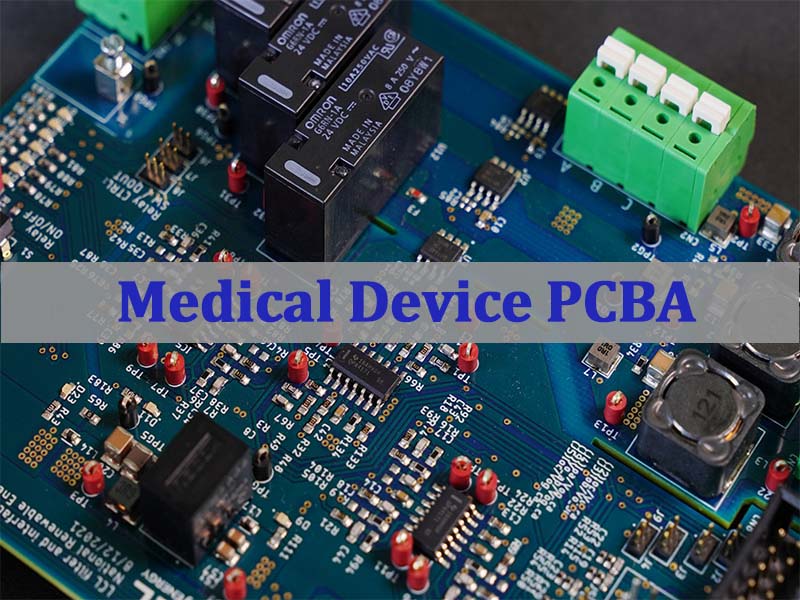
Why Medical Device PCBA Requires Much Stricter Reliability Standards Than Consumer Electronics?
Unlike consumer devices, medical electronics directly influence patient safety. Any electrical instability, solder joint failure, or electromagnetic interference can lead to system malfunction. Therefore, manufacturers apply more rigorous design and validation standards.
Key differences include:
- Higher inspection requirements such as AXI, functional testing, and burn-in validation
- Full component traceability aligned with ISO 13485 documentation
- Conservative thermal profiles to avoid micro-cracks in solder joints
- Redundant grounding strategies for noise-sensitive circuits
Medical products also often operate continuously for extended periods. This continuous operation increases thermal stress and mechanical fatigue, requiring more robust PCB stackups and surface finishes compared to consumer electronics.
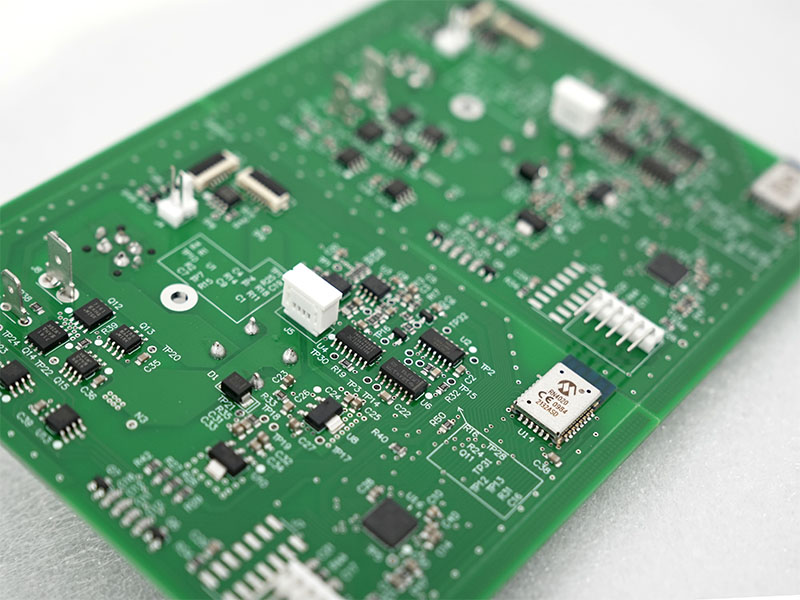
Leading Medical Device PCBA Manufacturers in Australia
Australia has several established contract manufacturers specializing in regulated electronics assembly. Engineers evaluating local partners often consider compliance capability, engineering support, and experience with healthcare applications.
The Australian PCBA ecosystem includes manufacturers focused on prototyping, small-batch production, and high-reliability electronics. Many work closely with local research institutions and global supply chains to support medical innovation.
1. Planet Innovation
A well-known engineering and manufacturing company providing medical device development and assembly services. Strong focus on innovation and design-for-manufacturing collaboration.
2. MiniFAB
Specializes in microfluidics and diagnostic systems with integrated electronics manufacturing. Known for high-precision assembly and medical product development.
3. Circuitwise Electronics Manufacturing
Offers ISO-certified PCB assembly services with strong experience in industrial and medical electronics production.
4. SM Electronics
Provides high-mix low-volume assembly and supports prototype-to-production transitions for regulated devices.
5. Nover & Co (Nover Electronics)
Focuses on electronics design and assembly with attention to compliance and documentation requirements.
While local Australian manufacturers provide strong engineering collaboration and proximity advantages, many OEMs still integrate international PCB fabrication or specialized assembly resources to optimize cost and scalability.
How Fast Track PCBA Medical Device Programs Balance Speed With Regulatory Compliance?
Fast track PCBA medical device projects are becoming more common as healthcare companies race to launch innovative products. However, speed cannot compromise compliance.
Successful programs usually adopt:
- Early DFM reviews to minimize redesign cycles
- Parallel testing during prototype phases
- Structured documentation workflows aligned with ISO 13485
Rapid prototyping techniques, including quick turn PCBA prototype medical device builds, allow engineers to validate functionality without sacrificing regulatory traceability. Manufacturers often implement dedicated NPI lines to shorten setup time while maintaining process stability.
What Engineering Challenges Appear When Building Prototype PCBA Medical Device With HDI Or Micro Components?
Prototype PCBA medical device projects frequently incorporate HDI structures, fine-pitch ICs, and micro components. These designs introduce several technical challenges:
- Precise stencil design to control solder paste volume
- Accurate placement force settings for miniature components
- Increased risk of solder bridging or tombstoning
Additionally, microvias and thin substrates require tightly controlled reflow profiles to prevent warpage. Engineers often simulate thermal distribution before manufacturing to reduce assembly risks.
Signal integrity also becomes critical. Medical imaging or monitoring devices rely on low-noise circuitry, meaning layout optimization and grounding strategies must be carefully evaluated during early development.
What PCB Medical Test Processes Are Essential Before Medical Devices Enter The Australian Market?
PCB medical test procedures verify that devices meet electrical, mechanical, and environmental requirements prior to regulatory approval.
Common testing stages include:
- Automated optical inspection (AOI) for placement accuracy
- X-ray inspection for hidden solder joints such as BGAs
- Functional testing under simulated operating conditions
- Environmental stress screening, including temperature cycling
Manufacturers may also perform PCB medical test evaluations for EMI compliance, ensuring devices meet electromagnetic standards required for hospital environments. Comprehensive testing reduces risk during certification and improves product reliability.
How A Complete PCBA Solution For Medical Devices Supports Sterilization, Coating, And Traceability Requirements?
A complete PCBA solution for medical devices extends beyond assembly. Many healthcare products require conformal coating, moisture protection, and sterilization compatibility.
Essential processes include:
- Medical-grade conformal coating to protect against humidity and contaminants
- Material selection compatible with sterilization methods such as ethylene oxide or gamma radiation
- Laser marking or barcode systems for traceability
Traceability is particularly important for recalls or quality audits. MES systems allow manufacturers to track each board’s production history, component batch, and inspection data, providing transparency throughout the product lifecycle.
Why Australian Medical Brands Choose A PCB Manufacturer In China For High-Reliability Assembly?
Although Australia offers strong local engineering resources, many companies collaborate with a PCB manufacturer in China to access advanced fabrication technologies and cost-efficient production.
Advantages may include:
- Mature supply chains for electronic components
- Expertise in multilayer and HDI PCB manufacturing
- Scalable production capacity for global distribution
Combining Australian design expertise with PCB assembly China resources enables companies to maintain high quality while optimizing project timelines and budgets. This hybrid manufacturing strategy has become increasingly common for complex medical electronics.
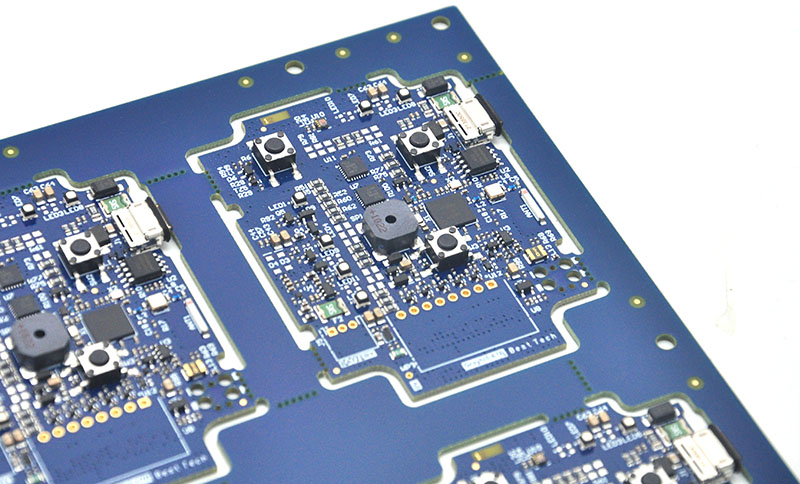
In summary, medical device PCBA development in Australia requires a balance between advanced engineering, strict compliance, and efficient manufacturing strategy. From prototype validation to full-scale production, companies must collaborate with partners who understand medical regulations, testing requirements, and long-term reliability expectations.
By combining local Australian expertise with global manufacturing capabilities, healthcare innovators can accelerate product development while maintaining the highest safety standards — ensuring medical electronics perform reliably in critical real-world environments. For more information or inquiries, please contact us via the form on our Contact page.
FAQs About Medical Device PCBA
Why Is Medical Device PCBA Much Harder Than Standard PCB Assembly?
Medical PCBA requires strict regulatory documentation, higher inspection standards, and long-term reliability validation. Manufacturers must ensure full traceability and maintain controlled production environments aligned with ISO 13485.
Do Medical Device PCBA Design Changes Affect Certification Or Compliance?
Yes. Even small design modifications can impact regulatory approval. Engineers must document changes carefully and may need to repeat validation tests to maintain compliance with medical standards.
Why Do EMI Problems Often Appear Late In Medical Device PCBA Testing?
EMI issues frequently arise during system-level testing because they depend on enclosure design, grounding strategy, and cable routing. Early simulation and proper shielding design help reduce late-stage redesign risks.