 language
 Vietnam
 english


Premium PCBA Vietnam Service with IPC-A-610 Standard
PCBA Vietnam has become a global competitive choice for electronic manufacturing,thanks to its combination of stringent quality control, cost-effectiveness, and efficient delivery capabilities. With mature industrial clusters and international certification support, PCBA Vietnam services meet IPC-A-610 standards, ensuring reliable performance for various electronic projects. Most PCBA Vietnam manufacturers offer one-stop solutions, covering PCB fabrication, component sourcing, assembly, and testing to streamline project processes.

Why Choose PCBA Vietnam Service with IPC-A-610 Standard?
Advantages of PCBA Vietnam service with IPC-A-610 standard:
- Quality Assurance – IPC-A-610 compliance ensures rigorous quality control, minimizing defects and enhancing product reliability.
- Cost Efficiency – Vietnam’s competitive labor costs combined with streamlined processes reduce overall production expenses.
- Geographic Advantage – Strategic location supports efficient logistics and supply chain management across Asia.
- Skilled Workforce – Technicians trained in IPC standards deliver precision assembly and consistent performance.
- Market Credibility – Adhering to global standards builds client trust, facilitating entry into international markets.
What Quality Certifications Should I Look for in a PCBA Vietnam Service Supplier?
Quality certification for PCBA Vietnam service supplier:
- ISO 9001: Ensures standardized quality management systems throughout production.
- IPC-A-610: The core standard for acceptability of electronic assemblies, mandatory for PCBA Vietnam services.
- ISO 13485: For PCBA Vietnam suppliers serving the medical device industry.
- IATF 16949: Required for automotive electronic PCBA Vietnam assembly.
- NADCAP: Certification for PCBA Vietnam manufacturers focusing on aerospace and defense sectors.
- RoHS: Ensures PCBA Vietnam products are free of hazardous substances.
- UL Certification: Validates electrical safety of PCBA Vietnam assemblies for global markets.
- ISO 14001: Demonstrates environmental responsibility in PCBA Vietnam production processes.
What Types of PCB Assembly Services do PCBA Manufacturer in Vietnam Offer?
Types of PCB assembly services PCBA Manufacturer in Vietnam Offered:
- SMT Assembly: High-speed surface mount technology for small to medium-sized components, a core service of PCBA Vietnam.
- THT Assembly: Through-hole technology for larger components requiring strong mechanical stability.
- Hybrid Assembly: Combined SMT and THT processes to meet complex project requirements.
- Prototype Assembly: Rapid turnaround for small-batch prototypes, supporting project validation.
- Mass Production Assembly: Scalable services for high-volume orders with consistent quality.
- Box Build Assembly: Final product assembly, including PCBA Vietnam integration, casing, and wiring.
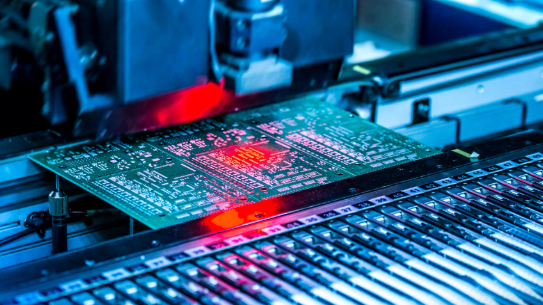
How Do PCBA Manufacturers in Vietnam Control Assembly Quality?
Methods about how PCBA manufacturers in Vietnam control assembly quality:
- Incoming Quality Control (IQC): Strict inspection of all raw materials and components, including PCB bare boards, electronic components, solder paste, and adhesives before PCBA Vietnam assembly begins. Inspections cover visual checks for damage or deformation, dimensional verification, batch authenticity confirmation, and basic electrical testing for key components, effectively eliminating defective parts upfront to avoid rework and cost waste in subsequent processes.
- Equipment Calibration: Regular calibration of core production and testing equipment, including SMT placement machines, reflow ovens, wave soldering machines, AOI, and X-Ray testers. Calibration is performed monthly or quarterly (based on equipment usage frequency) in line with international metrology standards, ensuring consistent precision in component placement, soldering temperature control, and defect detection, which is critical for maintaining stable production quality.
- Automated Inspection: Combined use of AOI and X-Ray testing to cover all potential defects. AOI is applied post-SMT and soldering to identify surface defects such as solder bridges, missing components, misalignment, and cold solder joints. X-Ray testing targets hidden defects, including BGA/CSP solder joint voids and internal component damage, with test results recorded for traceability and timely adjustment of assembly parameters.
- First Article Inspection (FAI): Mandatory verification of the first assembled PCBA before mass production, especially after design changes, material replacements, or equipment adjustments. Inspection is conducted against design specifications (Gerber files, BOM lists, and assembly drawings) to confirm component model, placement position, soldering quality, and basic functionality, preventing batch defects caused by design or process deviations.
- In-Process Quality Control (IPQC): Real-time monitoring of each key assembly stage, including SMT placement, reflow soldering, THT insertion, wave soldering, and manual soldering. Inspectors conduct random sampling checks at each node, monitor process parameters (e.g., soldering temperature, conveyor speed), and immediately correct any deviations to ensure every production step adheres to IPC-A-610 standards and internal quality requirements.
- Material Traceability: Full-process tracking of all components from sourcing to finished product delivery. Each batch of components is assigned a unique traceability code, recording supplier information, purchase date, incoming inspection results, production usage, and finished product batch. This enables quick localization of the source of quality issues and effective recall or rework if problems arise.
- Final Quality Control (FQC): Comprehensive testing and inspection of finished PCBA products before delivery, including visual inspection, electrical performance testing, functional testing (FCT), and reliability sampling tests. Products must fully comply with IPC-A-610 standards and customer-specific quality requirements; unqualified products are marked, reworked, or scrapped, with all test data documented to ensure only qualified products leave the factory.
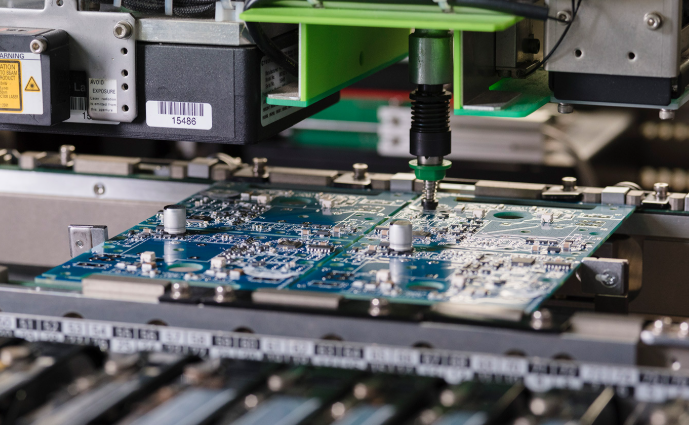
How to Evaluate the Assembly Capability of Vietnam PCBA Manufacturer?
Methods to evaluate the assembly capability of Vietnam PCBA manufacturer:
- Verify Production Equipment: Check the type, precision and maintenance records of core equipment including SMT placement machines, reflow ovens, wave soldering machines and testing tools such as AOI and X-Ray, ensuring their performance matches your project’s requirements for component size and production volume.
- Review Quality Certifications: Confirm the manufacturer holds ISO 9001 for systematic quality management and IPC-A-610 for component acceptability, along with industry-specific certifications such as ISO 13485 for medical projects or NADCAP for aerospace applications relevant to your project.
- Assess Production Capacity: Evaluate the manufacturer’s ability to handle your order volume from prototype to mass production, including production line flexibility, daily output and whether it can maintain lead time and quality standards during peak production periods.
- Check Customer References: Review past client feedback and project case studies, focusing on cases similar to your project scale and industry to confirm consistent product quality, on-time delivery rate and professional problem-solving capabilities.
- Evaluate Testing Capabilities: Confirm the manufacturer provides comprehensive testing methods including AOI for surface defects, X-Ray for hidden solder joints, ICT for circuit continuity and FCT for functional verification to ensure assembly defect detection and product reliability.
- Inspect Supply Chain Stability: Assess the manufacturer’s component sourcing network, including cooperation with qualified suppliers, stock reserves for common components and anti-counterfeiting inspection processes to avoid delays and quality risks caused by component issues.
- Review Process Documentation: Check if the manufacturer has standardized workflow manuals, quality control records and material traceability documents, ensuring all assembly processes are traceable and consistent with established quality requirements.
What is the Typical Lead Time for PCB Assembly in Vietnam?
| Order Type | Typical Lead Time (Working Days) |
| PCBA Prototype (≤50 pieces) | 3-7 |
| Small Batch (51-1000 pieces) | 7-15 |
| Medium Batch (1001-10000 pieces) | 15-25 |
| Large Batch (>10000 pieces) | 25-40 |
| Custom/Complex PCBA | 30-50 |
How to Choose the Right Vietnam PCBA Manufacturer?
Below is a selection guide to Vietnam PCBA manufacturer:
- Prioritize Quality Certifications: Select manufacturers with ISO 9001 for systematic quality management and IPC-A-610 for electronic component acceptability, along with industry-specific certifications such as ISO 13485 or NADCAP. These certifications ensure compliant high-standard PCBA services, avoid international market compliance risks and guarantee consistent production quality.
- Validate Production Experience: Choose manufacturers with 10 or more years of practical experience in PCB assembly. Request detailed case studies matching your project type, including process details and quality outcomes, to verify their capability in handling different scales and complexities of PCB assembly projects.
- Assess Communication Efficiency: Ensure the manufacturer provides timely responses to inquiries with a 24-hour turnaround for urgent requests. Confirm they assign dedicated contacts for project coordination and offer clear real-time updates on order status and potential issues to maintain smooth project progress.
- Test with Small Orders: Place a small prototype or trial order to evaluate the manufacturer’s product quality defect rate adherence to design specifications on-time delivery capability and customer service level. This step reduces risks before scaling up to mass production.
- Confirm Supply Chain Reliability: Choose manufacturers with established global component sourcing networks and regular stock reserves for common components. Request anti-counterfeiting inspection reports and supplier audit records to avoid delays and quality risks caused by component shortages or counterfeit parts.
- Evaluate After-Sales Support: Ensure access to comprehensive after-sales services including rapid rework repair quality issue tracing and long-term technical assistance post-delivery. Confirm clear timelines for rework or replacement in service agreements to resolve any PCBA quality issues quickly and minimize project losses.
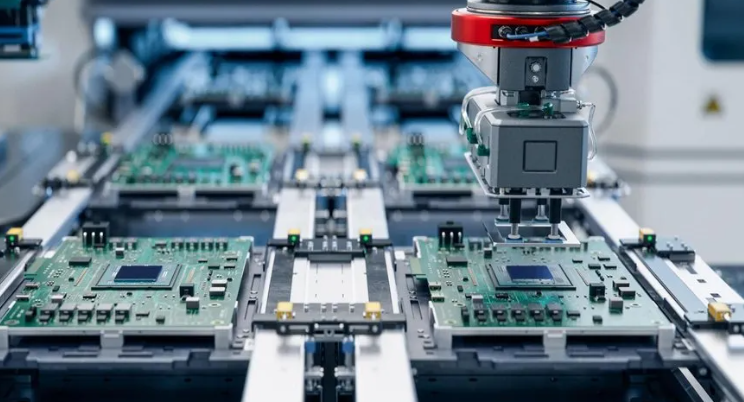
FAQs of PCB Assembly in Vietnam
Q1: Why is there a cost difference between different PCBA manufacturers in Vietnam?
A1: Cost differences stem from production equipment quality, labor expertise, quality control processes, and component sourcing networks. Manufacturers with advanced SMT machines and strict IPC-A-610 compliance may charge slightly more, but they reduce long-term costs by minimizing defects and rework.
Q2: Can Vietnam PCBA manufacturers handle high-precision miniaturized component assembly?
A2: Yes, reputable PCBA Vietnam manufacturers use advanced SMT machines with high placement accuracy (±0.03mm) and AOI/X-Ray testing to assemble and inspect miniaturized components, fully complying with IPC-A-610 standards for precision.
Q3: How to avoid delivery delays for PCB assembly in Vietnam?
A3: To avoid delays, confirm lead times in writing before placing orders, choose manufacturers with backup component sources, and provide complete design files (Gerber, BOM) upfront. Request real-time production updates to address potential issues early.
Q4: Are Vietnam PCBA manufacturers able to source rare or specialized components?
A4: Yes, established PCBA manufacturer in Vietnam have global sourcing networks and partnerships with component suppliers, enabling them to source rare or specialized parts. They also offer component substitution recommendations if needed, ensuring compliance with project requirements.
Q5: What should I do if the assembled PCBA from Vietnam has quality issues?
A5: Contact the manufacturer’s after-sales team immediately, providing detailed defect reports and photos. Reputable PCBA Vietnam providers will conduct a root cause analysis, offer free rework or replacement for defects caused by their assembly processes, and implement corrective actions to prevent recurrence.