 language
 english


How to Choose Trusted Electronic Contract Manufacturing Companies?
Tired of missed deadlines, inconsistent quality, and the stress of scaling production for your electronic products? You don’t have to go it alone, electronic contract manufacturing from Best Technology is your proven path to smoother operations, better products, and bigger profits. Unlike generic ECM providers, we don’t just handle end-to-end production (from component sourcing to precision PCB assembly), we become your dedicated manufacturing partner, tailored to your unique needs. With 20+ years of PCBA expertise, strict ISO-certified quality control, and rapid turnaround, Best Technology eliminates your production headaches so you can focus on growing your business.
What is Electronic Contract Manufacturing?
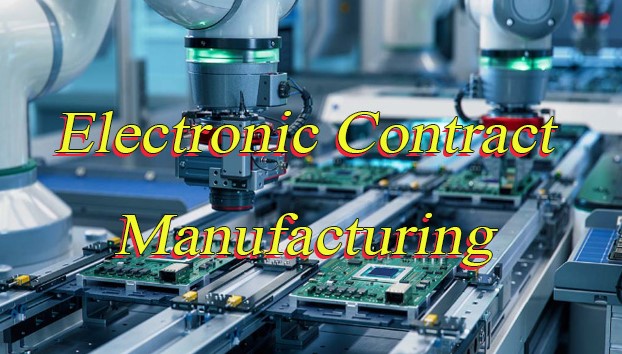
Electronic Contract Manufacturing (ECM) is a strategic outsourcing model where companies delegate the design, assembly, and production of electronic components or complete devices to specialized EMS (Electronic Manufacturing Services) providers. These partners manage critical processes including PCB assembly (PCBA), testing, box-build integration, supply chain coordination, and quality control, enabling clients to focus on core competencies like R&D and market strategy.
Unlike general contract manufacturing, ECM emphasizes high-precision, component-driven builds requiring advanced equipment and sophisticated quality systems. Key benefits include 30-40% reduced capital expenditures, faster time-to-market, enhanced scalability, and access to specialized expertise and infrastructure. Widely adopted in sectors like medical, automotive, telecommunications, and consumer electronics, ECM supports industries where precision, reliability, and rapid innovation are non-negotiable. By leveraging ECM, companies achieve cost efficiency, supply chain resilience, and competitive edge without investing in in-house production facilities or managing complex logistics.
Why Electronics Contract Manufacturing is Better?
Below are reasons why electronics contract manufacturing is better:
- Reduced Capital Expense: Avoid upfront costs for manufacturing equipment, facilities, and labor training, freeing up funds for product R&D.
- Faster Time-to-Market: Leverage established supply chains and production processes to speed up manufacturing and launch products quicker.
- Consistent Quality: Access specialized quality control systems and industry expertise to ensure each unit meets strict standards.
- Scalability: Easily adjust production volume up or down based on demand, without the hassle of hiring or laying off staff.
- Risk Mitigation: ECM providers manage supply chain risks, component shortages, and compliance issues, reducing your operational stress.
Which Industries Benefit from Electronics Contract Manufacturing?
Below are industries benefit from electronics contract manufacturing:
- Medical Devices: ECM supports the production of precision PCBAs for diagnostic equipment, patient monitors, and portable medical devices, ensuring compliance with strict industry regulations.
- Aerospace: Delivers high-reliability electronic assemblies for aircraft systems, satellites, and aerospace components, meeting rigorous performance and safety standards.
- Industrial Electronics: Serves industrial equipment manufacturers with durable PCBAs for factory automation, control systems, and industrial sensors, designed for harsh operating environments.
- Consumer Electronics: Handles high-volume production of PCBAs for smartphones, tablets, wearables, and home appliances, balancing quality and cost-efficiency.
- Automotive: Produces electronic components for vehicle infotainment systems, safety features, and EV controls, adhering to automotive industry standards.
Which Electronic Contract Manufacturers Offer Quick Turnaround?
| Company Name | Core Services | Turnaround Time | Key Advantages | Industry Focus |
| Best Technology | PCB Assembly, Component Sourcing, Testing, Design Support | 3-5 business days for prototypes; 7-10 days for small batches | 20+ years of PCBA experience, strict quality control, flexible scaling | Medical, Aerospace, Industrial Equipment |
| Flex Ltd. | Full ECM, PCB Assembly, Box Build, Supply Chain Management | 5-7 business days for prototypes; 10-14 days for small batches | Global supply chain, advanced manufacturing technology | Consumer Electronics, Automotive, Industrial |
| Jabil | PCB Assembly, Testing, Prototyping, Full-Scale Production | 4-6 business days for prototypes; 8-12 days for small batches | Industry-leading compliance, end-to-end solutions | Medical, Aerospace, Consumer Electronics |
| Sanmina | PCB Assembly, System Integration, Testing, Logistics | 5-8 business days for prototypes; 10-15 days for small batches | Global facilities, specialized in complex assemblies | Aerospace, Industrial, Medical |
| Benchmark Electronics | PCB Assembly, Prototyping, Box Build, After-Sales Support | 3-6 business days for prototypes; 7-10 days for small batches | Focus on high-reliability industries, rapid prototyping | Aerospace, Medical, Industrial |
| Plexus Corp. | PCB Assembly, Design for Manufacturability, Testing | 4-7 business days for prototypes; 9-13 days for small batches | Expertise in complex designs, supply chain optimization | Medical, Industrial, Aerospace |
| Celestica | PCB Assembly, System Integration, Supply Chain Management | 5-8 business days for prototypes; 11-16 days for small batches | Global footprint, scalable production capacity | Consumer Electronics, Industrial, Automotive |
| Kimball Electronics | PCB Assembly, Prototyping, Testing, Regulatory Compliance | 3-5 business days for prototypes; 8-11 days for small batches | Specialized in medical and industrial, strict compliance | Medical, Industrial, Automotive |
| Elma Electronic | PCB Assembly, Enclosure Integration, Testing | 6-9 business days for prototypes; 12-17 days for small batches | Expertise in ruggedized electronics for harsh environments | Aerospace, Industrial, Defense |
| TTM Technologies | PCB Manufacturing, Assembly, Testing, Prototyping | 4-6 business days for prototypes; 7-12 days for small batches | In-house PCB manufacturing, rapid turnaround | Consumer Electronics, Industrial, Aerospace |
What Services Do Electronics Contract Manufacturing Companies Typically Provide?
Below are electronic contract manufacturers offer quick turnaround:
- Component Sourcing: Sourcing high-quality electronic components from trusted suppliers, ensuring availability and cost-efficiency.
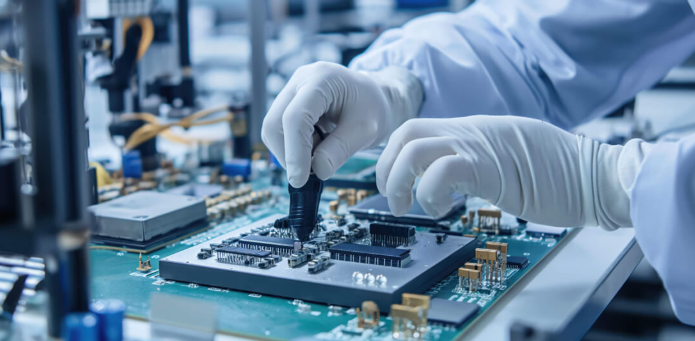
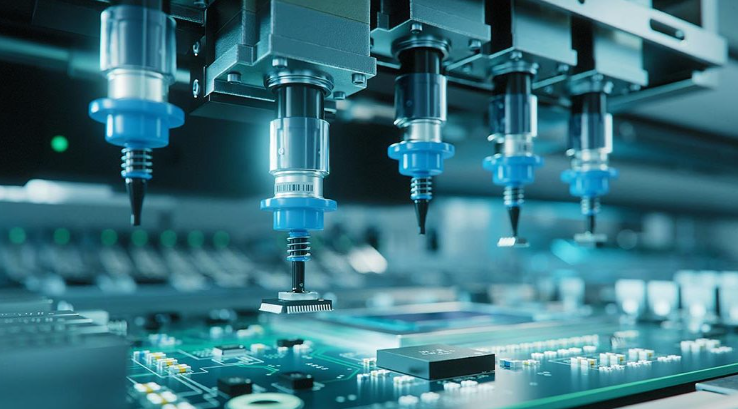
- PCB Assembly: Surface mount technology (SMT) and through-hole assembly, including soldering, inspection, and rework.
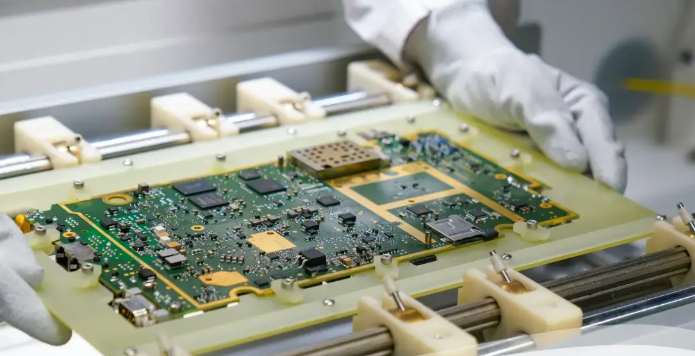
- Testing & Quality Control: Functional testing, in-circuit testing (ICT), X-ray inspection, and visual inspection to ensure product reliability.
- Prototyping: Rapid prototyping services to validate designs before full-scale production, reducing time and cost.
- Box Build Assembly: Final product assembly, including enclosures, wiring, and packaging for ready-to-ship products.
- Supply Chain Management: Managing inventory, component lead times, and logistics to ensure timely production.
- Design for Manufacturability (DFM): Consulting to optimize product designs for easier, more cost-effective manufacturing.
What Quality Certifications Should Top Electronics Contract Manufacturers Have?
Here are quality certifications should top electronics contract manufacturers have:
- ISO 9001: The gold standard for quality management systems, ensuring consistent product quality and customer satisfaction.
- ISO 13485: Mandatory for ECM providers serving the medical device industry, ensuring compliance with medical regulations.
- AS9100D: Required for aerospace and defense manufacturing, focusing on high-reliability and safety standards.
- IATF 16949: For automotive electronics manufacturing, ensuring compliance with automotive industry quality requirements.
- IPC-A-610: A standard for PCB assembly acceptability, ensuring assemblies meet industry performance criteria.
- UL Certification: Ensures products meet safety standards for electrical and electronic equipment.
How to Choose Questions to Ask Contract Electronics Manufacturing Companies?
Here are 10 questions to ask contract electronics manufacturing companies:
- What industry-specific experience do you have, and can you share references for similar projects?
- What quality control processes do you use, and how do you track defects and ensure traceability?
- What is your typical turnaround time for prototypes and small-to-large production runs?
- How do you manage component sourcing, obsolescence, and supply chain risks?
- Do you offer DFM/DFT consulting to optimize my design for manufacturability?
- What certifications do you hold, and how do you maintain compliance with industry standards?
- Can you scale production quickly if my demand increases or decreases?
- What testing equipment do you use, and do you perform third-party audits for validation?
- How do you communicate project progress, and what is your process for resolving issues?
- What is your first-pass yield rate, and how do you reduce rework and production costs?
How to Choose Trusted Electronic Contract Manufacturing Companies?
Selecting a reliable electronic contract manufacturing (ECM) company is critical to ensuring consistent product quality, on-time delivery, and long-term operational success. Below are 9 actionable, practical tips to help you identify and partner with a trustworthy ECM provider.
- Verify Industry-Specific Certifications: Reliable ECMs hold relevant quality certifications tailored to your industry. Prioritize providers with ISO 9001 (basic quality management), ISO 13485 (medical devices), AS9100 (aerospace), or IATF 16949 (automotive). These certifications prove adherence to strict industry standards and quality control processes.
- Evaluate Experience and Expertise: Look for ECMs with proven experience in your product type or industry. Ask about their track record with similar PCB assemblies, production volumes, and complex designs, e.g., fine-pitch SMT, ruggedized industrial PCBs, or medical-grade components. A provider with 10+ years of experience (like Best Technology) is more likely to handle challenges smoothly.
- Assess Quality Control Processes: Reliable ECMs have robust quality control (QC) systems in place. Inquire about their testing methods (AOI, ICT, X-ray inspection), defect tracking processes, and first-pass yield rates. They should also offer full component traceability, especially for regulated industries like medical and aerospace.
- Review Supply Chain Management Capabilities: A trustworthy ECM manages supply chain risks effectively. Ask how they source components, handle shortages or obsolescence, and ensure RoHS/REACH compliance. They should have established relationships with verified suppliers to avoid delays and counterfeit parts.
- Check Turnaround Time and Scalability: Reliable ECMs meet your delivery timelines and scale with your needs. Confirm their prototype turnaround (ideal 3-7 business days) and ability to adjust production volume from low-volume runs to high-volume mass production without sacrificing quality.
- Evaluate Design and Prototyping Support: Top ECMs offer design for manufacturability (DFM) consulting and rapid prototyping. This helps optimize your PCB design for cost, efficiency, and reliability, reducing rework and production delays. Ensure they provide clear feedback on design flaws early in the process.
- Request Client References and Case Studies: Ask for references from clients in your industry. A reliable ECM will share success stories, such as how they resolved production challenges or met strict regulatory requirements. Follow up with references to verify their experience with the provider.
- Assess Communication and Transparency: Trustworthy ECMs maintain open communication. They should provide regular updates on production progress, notify you of potential issues promptly, and be transparent about costs, lead times, and any changes to the process.
- Evaluate Post-Production Support: Reliable ECMs offer post-production support, including rework, repair, and after-sales service. This is critical if you encounter issues with finished products or need adjustments to existing orders, ensuring long-term partnership value.
How Much Should Electronics Contract Manufacturing Cost?
Electronic contract manufacturing costs vary based on four key factors, with no fixed pricing structure. Understanding these helps you budget effectively and select the right partner.
Component costs are a primary driver. Specialized or hard-to-source parts increase expenses, while standard components offer better pricing. Production volume also affects costs, higher volumes typically lower per-unit expenses through economies of scale.
Design complexity plays a role. Dense, high-component-count boards, fine-pitch components, or specialized materials (e.g., high-temperature substrates) require more labor and equipment, increasing costs. Additional services like DFM consulting, third-party testing, or custom packaging add to the total investment.
Production requirements matter. Quick-turn prototypes or low-volume runs have higher per-unit costs than mass production. Compliance with strict regulations (e.g., medical, aerospace) may add testing and documentation costs, but they are critical for market approval.
FAQs About Electronic Contract Manufacturing Services
Q1: How can I ensure my PCB assembly meets medical industry standards?
A1: Choose an ECM provider with ISO 13485 certification, as this ensures compliance with medical device regulations. The provider should implement strict quality control processes, including traceability of components, functional testing, and documentation of all production steps. For example, Best Technology’s medical PCB assemblies undergo rigorous testing to meet FDA requirements, with full traceability for each component used in diagnostic equipment.
Q2: What do I do if my PCB design has components that are obsolete?
A2: Work with an ECM provider that offers component obsolescence management. They will identify alternative components that match the form, fit, and function of the obsolete parts, test them to ensure compatibility, and update your design accordingly. This avoids production delays and ensures your product remains viable. Best Technology’s sourcing team specializes in finding replacement components for industrial and aerospace PCBAs, minimizing disruption.
Q3: Can ECM providers handle high-reliability PCB assemblies for aerospace applications?
A3: Yes, top ECM providers with AS9100 certification can handle aerospace-grade PCB assemblies. These providers use high-quality components rated for extreme temperatures and harsh environments, implement strict testing (including thermal cycling and vibration testing), and maintain full traceability. Best Technology has extensive experience producing PCBAs for satellite systems, meeting the aerospace industry’s rigorous reliability standards.
Q4: How long does it take to get a prototype from an ECM provider?
A4: Prototype turnaround time varies by provider and design complexity, but most reputable ECMs deliver prototypes in 3-7 business days. Simple designs with standard components may be ready in 3-5 days, while more complex designs (such as those with fine-pitch components or specialized materials) may take 5-7 days. Best Technology offers rapid prototyping with a 3-5 day turnaround for most PCB designs, helping accelerate product development.
Q5: What is the difference between SMT and through-hole assembly in ECM?
A5: SMT (Surface Mount Technology) involves mounting components directly onto the surface of the PCB, ideal for small, high-density designs (common in consumer electronics, medical devices, and aerospace). Through-hole assembly involves inserting component leads through holes in the PCB, better for larger, high-power components (common in industrial equipment). Top ECM providers offer both services, selecting the best method based on your design requirements. Best Technology uses advanced SMT equipment for precision assembly and through-hole techniques for rugged industrial applications.