 language
 english


Custom Purple Circuit Board | Design & Manufacturing Service
What is the meaning of purple PCB?
A purple circuit board refers to a printed circuit board whose solder mask is purple rather than the traditional green color commonly seen in electronics manufacturing. In practical terms, the internal copper layers, fiberglass substrate, and electrical structure remain exactly the same as any other PCB. The only difference lies in the solder mask coating, which gives the board its distinctive purple appearance.
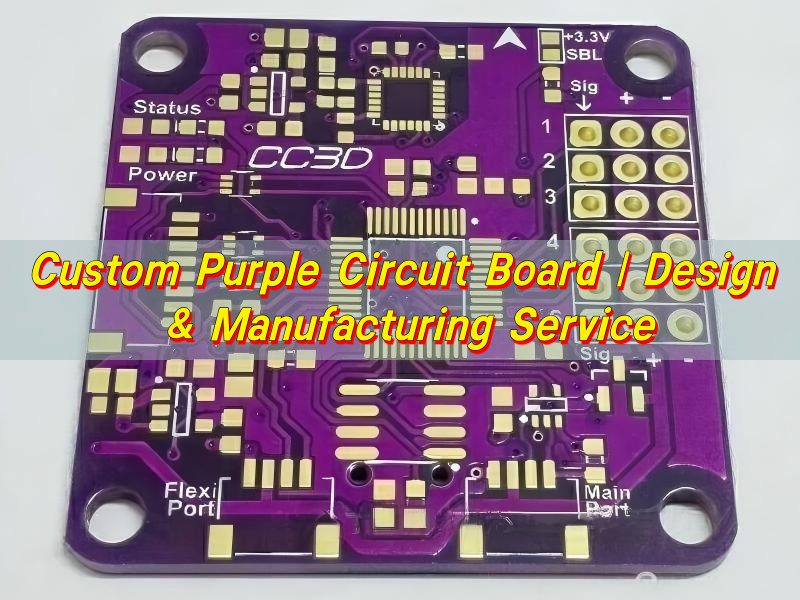
In PCB fabrication, the solder mask serves several important purposes. It protects copper traces from oxidation, prevents solder bridges during assembly, and improves overall electrical reliability. Manufacturers can mix pigments into the solder mask resin to produce different colors, including green, red, blue, black, white, and purple. Therefore, a purple printed circuit board is essentially a standard PCB with a customized solder mask color.
From a technical perspective, the core structure of a purple PCB remains unchanged. A typical board still includes the following layers:
- Substrate layer – commonly FR-4 fiberglass laminate that provides mechanical strength.
- Copper layers – the conductive pathways that carry electrical signals and power.
- Solder mask – the protective coating applied over copper traces.
- Silkscreen layer – printed markings used for component labels and assembly guidance.
The purple color appears only in the solder mask layer. This means engineers can choose purple boards without redesigning the electrical layout.
In modern electronics manufacturing, customization has become increasingly common. Product designers want their hardware to reflect brand identity. A purple PCB circuit board helps achieve that goal while maintaining the same electrical performance as conventional boards.
What are the advantages of a purple circuit board?
A purple circuit board offers several advantages that go beyond appearance. While electrical performance remains consistent with other solder mask colors, purple boards can deliver meaningful benefits in design clarity, product differentiation, and manufacturing organization.
One of the most noticeable advantages is visual recognition. Engineers working on complex hardware projects often manage several board revisions at once. A unique color makes it easier to distinguish prototype boards from final production versions.
Another advantage is brand presentation. Hardware companies increasingly view circuit boards as part of the product experience. A purple printed circuit board can reflect creativity, innovation, or a distinctive product identity.
In development environments, color differentiation also improves workflow efficiency. Teams can quickly identify different hardware modules or firmware test versions simply by looking at the board color.
Key advantages include:
- Strong visual identity
Purple PCBs stand out immediately during assembly, testing, or demonstration. - Simplified prototype tracking
Engineers can assign purple boards to specific design iterations. - Improved aesthetic appeal
Products with transparent enclosures often use colored PCBs to create a premium look. - Custom product branding
Electronics brands can match PCB color with their product style. - Better organization in production labs
Color coding reduces confusion between board versions.
From a manufacturing perspective, producing a purple PCB circuit board does not require special equipment. The only change involves using a different pigment in the solder mask coating. However, color choice can slightly influence inspection visibility. Purple boards generally provide good contrast with white silkscreen text, making component markings easier to read.
Another advantage is design creativity. Engineers and product designers increasingly collaborate when creating consumer electronics. A unique board color can enhance visual storytelling when the device is opened or displayed. In summary, the advantages of purple PCBs include better identification, stronger branding, improved aesthetics, and clear differentiation between hardware versions.
Does circuit board color matter?
The conductive paths inside a PCB rely on copper layers, dielectric materials, and precise impedance control. These electrical properties remain unchanged regardless of the solder mask color. However, PCB color can still influence several practical factors in electronics manufacturing.
First, color affects visual inspection quality. During assembly and quality control, technicians must quickly identify solder joints, component polarity, and trace alignment. Some colors provide better contrast than others.
Second, color can influence light reflection during automated optical inspection (AOI). Certain darker colors absorb light differently, which can affect machine calibration. Modern inspection systems compensate for this, so the impact is minimal.
Third, PCB color contributes to product appearance. When electronics are visible through transparent enclosures, the board color becomes part of the product design.
Fourth, color can help with hardware identification during development. Many engineering teams assign specific colors to different board versions or subsystems.
Therefore, while color does not change the electrical behavior of a board, it still plays a role in manufacturing efficiency and product presentation.
A purple PCB works just as reliably as any other PCB color when manufactured with the correct materials and fabrication processes.
What color are circuit boards?
Although green is the most familiar PCB color, modern manufacturing supports a wide range of solder mask colors. Engineers can choose colors based on inspection needs, brand aesthetics, or product design goals.
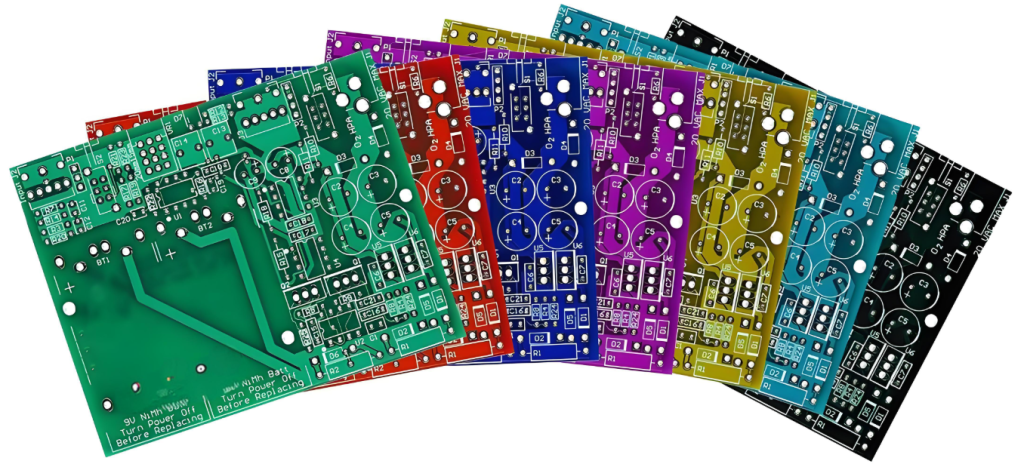
Common PCB colors include:
- Green
- Blue
- Red
- Black
- White
- Purple
- Yellow
- Matte black
- Transparent solder mask
Green remains the industry standard because it offers excellent contrast with white silkscreen and copper traces. Many automated inspection systems were originally optimized for green boards. However, advances in manufacturing have made it easy to produce other colors with the same reliability. As a result, electronics designers now have more freedom when selecting PCB appearance.
Below is a simplified comparison of common PCB colors and their characteristics.
| PCB Color | Visibility for Inspection | Popular Applications | Appearance Style |
|---|---|---|---|
| Green | Excellent | Most commercial electronics | Traditional |
| Blue | Good | Consumer electronics | Modern |
| Red | Good | Industrial control boards | Bold |
| Black | Moderate | High-end products | Premium |
| White | Moderate | LED lighting boards | Clean |
| Purple | Good | Prototypes and branded devices | Unique |
Purple boards are particularly popular in prototype development and custom hardware products. They provide a distinctive look without compromising inspection visibility. As customization becomes more common, the printed circuit board purple option continues to grow in popularity.
Which color PCB board is best?
Choosing the best PCB color depends on the application, inspection requirements, and product design goals. No single color is universally superior.
Green boards remain the most widely used option because they balance visibility, manufacturing familiarity, and cost efficiency. Many factories produce green boards in large volumes, which keeps prices competitive. However, other colors may be better for certain situations.
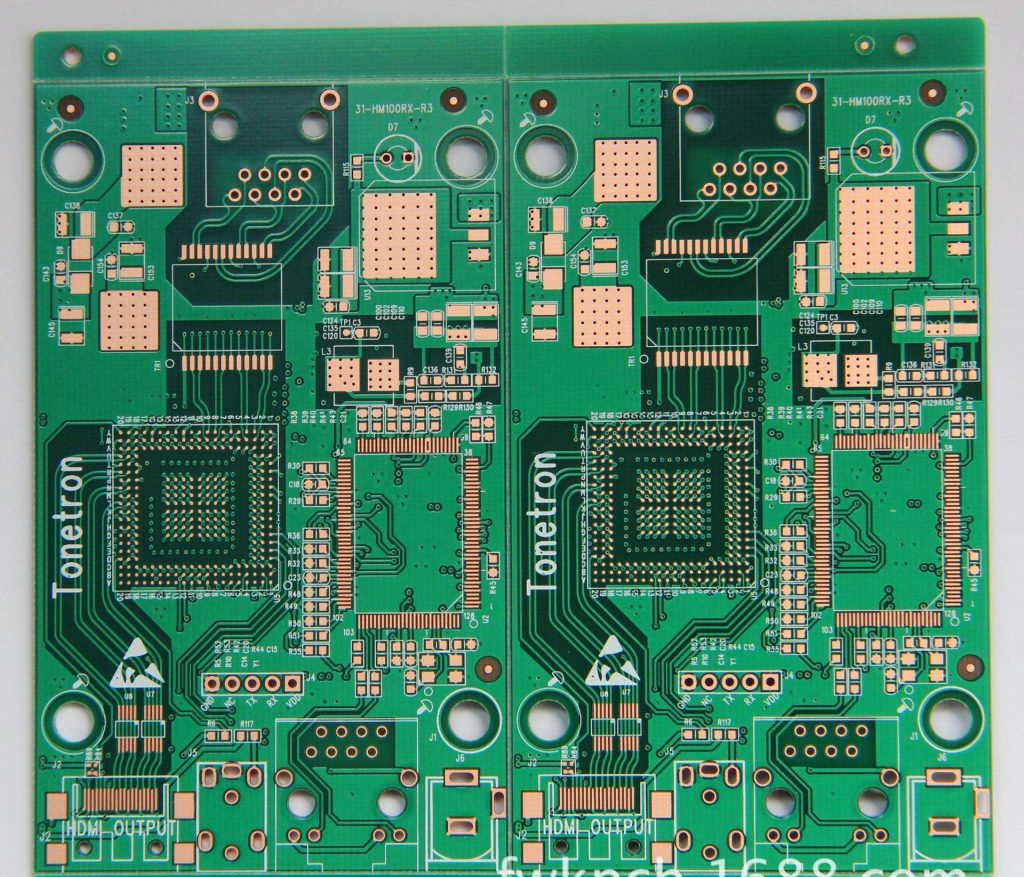
For example, black PCBs are often used in premium consumer electronics because they create a sleek visual style. White boards are common in LED lighting products because they reflect light effectively.
| PCB Color | Key Advantage | Typical Usage |
|---|---|---|
| Green | Reliable inspection visibility | General electronics |
| Black | Premium appearance | Consumer devices |
| Blue | Balanced visual contrast | Development boards |
| White | Good light reflection | LED modules |
| Purple | Unique identity | Prototypes and custom hardware |
When selecting a color, engineers should consider three main factors:
- Inspection visibility
- Product aesthetics
- Manufacturing consistency
A purple circuit board can be an excellent choice when visual uniqueness and product identity are priorities.
Are purple PCBs more expensive than green ones?
In most cases, purple PCBs are slightly more expensive than green boards, but the difference is usually small.
Green solder mask materials are produced in the largest quantities in the PCB industry. Because of this high demand, green boards benefit from economies of scale. Other colors, including purple, are manufactured in smaller volumes. This can lead to slightly higher material costs or additional processing steps during fabrication.
However, the price difference is typically minimal, especially for prototypes or small production runs.
Typical cost considerations include:
- Solder mask pigment availability
- Production volume
- Factory process standardization
- Panel utilization
For small batches or prototype orders, the cost difference is often negligible. In larger production runs, some manufacturers may charge a small color customization fee. Even then, the total price difference usually remains modest. From a performance standpoint, purple PCBs provide the same reliability and durability as green boards when manufactured with high-quality materials.
What industries use purple circuit boards?
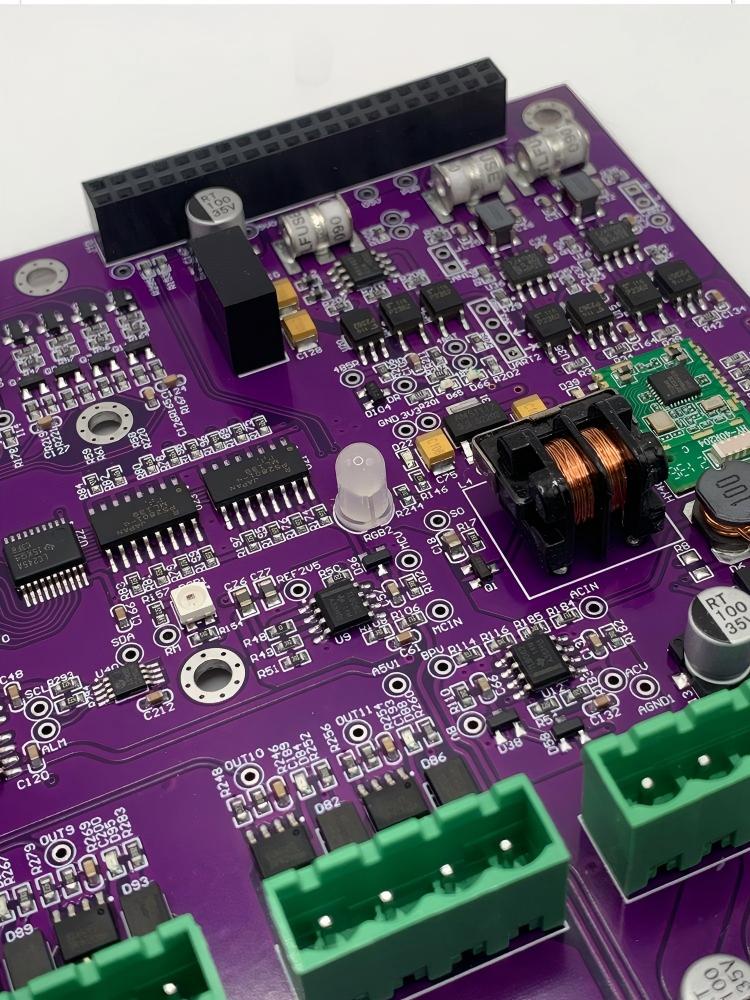
Purple circuit boards appear in a variety of industries, particularly where customization and visual identity are important. They are especially common in prototype development environments and in products where the PCB is visible.
Industries that frequently use purple PCBs include:
- Consumer electronics startups
Unique board colors help differentiate products during demonstrations. - Engineering development labs
Teams use colored boards to identify prototype versions. - Educational electronics platforms
Learning boards often use distinctive colors to attract students. - Maker and DIY hardware communities
Purple boards are popular in open-source electronics. - Gaming hardware accessories
Some devices use colorful PCBs for visual appeal.
In many cases, a purple PCB becomes part of the product’s identity. When users open the device or see the board through a transparent housing, the color creates a memorable visual impression.
What is the difference between the colors of PCB?
Different PCB colors come from variations in the solder mask pigment, not from changes in the board’s electrical structure. However, color differences can affect several practical aspects of manufacturing and inspection.
Key differences include:
- Visual contrast with silkscreen labels
- Reflectivity during automated inspection
- Heat absorption characteristics
- Product aesthetics
For example, black PCBs can make trace inspection more difficult because copper contrast is lower. White boards can make silkscreen text harder to read. Purple boards offer balanced contrast and a distinctive appearance, making them suitable for many applications.
| Feature | Green PCB | Purple PCB |
|---|---|---|
| Industry standard | Yes | No |
| Visual uniqueness | Moderate | High |
| Inspection contrast | Excellent | Good |
| Branding potential | Low | Strong |
Ultimately, PCB color differences are mostly related to appearance and inspection convenience, not electrical performance.
How to change PCB board color?
Changing the color of a PCB is a straightforward process during fabrication. The color is determined by the solder mask material applied after copper patterning. To change PCB color, manufacturers simply use a solder mask with a different pigment.
The process generally involves these steps:
- PCB fabrication begins with copper patterning on the laminate.
- A liquid photo-imageable solder mask is applied to the board surface.
- The mask is exposed to ultraviolet light through a pattern film.
- Unexposed areas are removed to reveal solder pads.
- The board is cured in an oven to harden the mask.
When producing a purple printed circuit board, the only change is the pigment used in the solder mask coating. Design engineers usually specify the desired color in the PCB manufacturing documentation or fabrication notes. Most PCB manufacturers support multiple color options without requiring design modifications.
Summary:
A purple circuit board is simply a PCB that uses purple solder mask instead of the traditional green coating. The electrical structure of the board remains unchanged, so performance and reliability stay the same.
Purple PCBs are valued for their strong visual identity, clear prototype identification, and distinctive product appearance. They are commonly used in development environments, educational hardware platforms, and consumer electronics projects that emphasize design aesthetics.
For more information about purple PCB design, prototyping, and manufacturing services, feel free to contact our engineering team. Email: sales@bestpcb.vn