 language
 Vietnam
 english


Prototype PCB Assembly
What is Prototype PCB Assembly?
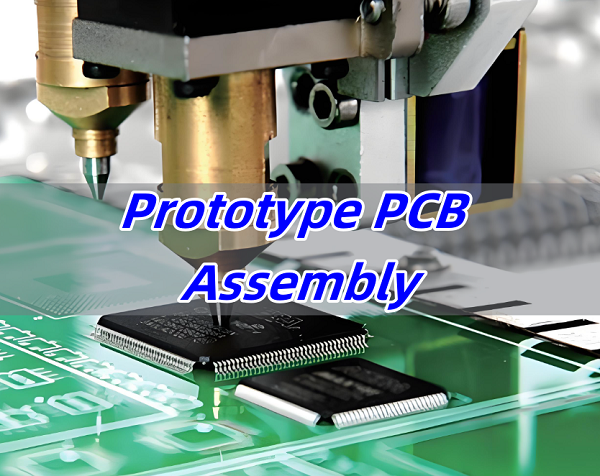
Prototype PCB assembly refers to the process of producing a small batch of printed circuit boards (PCBs) for testing and validation before full-scale manufacturing. Unlike mass production, prototype assembly focuses on flexibility, rapid iteration, and verifying the design for functionality, manufacturability, and performance. It is a critical step in product development, bridging the gap between concept and production-ready electronics.
Prototype PCBs allow engineers to detect design errors, assess signal integrity, optimize power distribution, and test firmware integration. The insights gained at this stage significantly reduce the risk of costly mistakes during large-scale production.
Why is Prototype PCB Assembly Important?
Prototype assembly provides several advantages:
- Early Detection of Design Flaws – Identifying electrical issues, component placement errors, or routing conflicts before committing to mass production.
- Validation of Functionality – Ensuring that circuits perform as expected under real operating conditions.
- Time and Cost Efficiency – Avoiding expensive rework or scrap during large-scale manufacturing.
- Design Optimization – Refining layout, component selection, and board stack-up based on prototype testing results.
- Compliance Testing – Checking for electromagnetic compatibility (EMC), thermal performance, and regulatory standards.
Prototype assembly acts as a rehearsal for full-scale production, giving engineers and manufacturers the confidence to proceed.
Our Prototype PCB Assembly Services
At Best Technology, we provide comprehensive prototype PCB assembly services designed to accelerate your product development while maintaining the highest quality standards. Our team specializes in handling both simple and complex boards, including mixed technology designs that combine surface mount and through-hole components. We focus on rapid turnaround times without compromising precision, enabling engineers and designers to validate their circuits quickly and efficiently.
Our services include:
- Small-batch assembly
- Component sourcing and management
- Surface-mount and through-hole assembly
- Testing and quality assurance
- Design support and feedback
- Expedited 24 Hours service available
PCB Prototype PCB Assembly Capabilities
Advantages of Quick-Turn Prototype PCB Assembly
Quick-turn prototype PCB assembly offers faster iteration and improved product development timelines. Key benefits include:
- Reduced Lead Times: Boards can be fabricated and assembled within days instead of weeks.
- Design Validation Speed: Faster turnaround allows multiple design iterations in a short time.
- Cost-Effective Testing: Small batch assembly avoids high initial costs of mass production.
- Early Market Entry: Accelerates time-to-market for new products, crucial in competitive industries.
- For Urgent Orders: For time-sensitive projects, quick-turn prototype assembly can save much time and avoid time delay.
Quick-turn services are particularly beneficial for startups, R&D teams, and projects with aggressive deadlines.
Steps in Prototype PCB Assembly
1. Design and Gerber File Preparation
The process begins with finalizing the PCB design using CAD software. Designers generate Gerber files, Bill of Materials (BOM), and pick-and-place files. Accurate documentation is essential for a smooth prototype assembly.
2. PCB Fabrication
The bare boards are fabricated according to design specifications. Even for prototypes, layer alignment, copper thickness, solder mask, and surface finish must match the intended production process to ensure reliable testing.
3. Component Sourcing
All components in the BOM are procured. Prototype assembly often requires flexible sourcing, including alternate components, due to limited availability of certain parts in small quantities.
4. Assembly Process
Prototype assembly can involve both surface-mount technology (SMT) and through-hole technology (THT). Key steps include:
- Solder Paste Application: Depositing solder paste onto pads using a stencil.
- Component Placement: Placing components using pick-and-place machines or manually for small batches.
- Reflow Soldering: Melting solder paste to form electrical connections.
- Through-Hole Soldering: Manually or using selective soldering for through-hole components.
5. Inspection and Quality Control
Visual inspection, Automated Optical Inspection (AOI), and sometimes X-ray inspection ensure components are correctly placed and soldered. Prototype PCBs undergo rigorous checks to catch defects early.
6. Functional Testing
Testing the assembled prototype under operating conditions validates the circuit functionality, signal integrity, and thermal performance. Functional testing may involve custom test jigs or bench setups.
Common Challenges in Prototype PCB Assembly
While prototypes are smaller in scale, they can still face challenges:
- Component Shortages – Limited availability of specialized components may require substitutes.
- Soldering Errors – Manual placement increases the risk of bridging or cold solder joints.
- Signal Integrity Issues – Prototypes may reveal unexpected crosstalk or impedance problems.
- Iterative Revisions – Design changes after testing may require multiple assembly cycles.
Working with an experienced prototype assembly provider can mitigate these risks efficiently. At Best Technology Circuit, we source all parts directly from the manufacturer or from authorized distributors such as Digikey, Mouser, Future, TTI, Avnet, and Arrow to avoid counterfeit parts.
We also have a large inventory of common parts. For some special or limited components with longer lead time, our engineers will make suggestions for alternatives at reasonable prices.
When to Use Prototype PCB Assembly?
Prototype assembly is essential in situations like:
- Evaluating a new product concept
- Testing circuit functionality and performance
- Verifying high-speed or complex designs
- Conducting regulatory compliance checks
- Preparing for pilot production runs
By addressing issues early, teams can move to mass production with greater confidence and lower risk.
Industries We Served
- Consumer electronics
- New energy
- Automotives
- Telecommunications
- Industrial
- Medical
- Network & computer
- Internet Of Things (IoT)
- Aerospace & defense
- Robots
- AI Artificial Intelligence
Why Choose Best Technology Circuit for Prototype PCB Assembly?
Prototype PCB assembly is a critical step in the development of any electronic device. The success of your product often hinges on how efficiently and accurately the prototype is assembled. At Best Technology Circuit, we specialize in providing rapid, reliable, and precise prototype PCB assembly services that help engineers and designers bring their concepts to life without compromise. If select Best Technology, you can enjoy:
- Expedited services for FR4 PCB, metal core PCB, flex circuit and rigid-flexible PCB
- 6+ SMT lines for 24hours assembly
- Have factories both in Vietnam and China
- AOI, X-RAY, SPI, FAI, functional testing and aging testing before shipment
- Support SMT, THT, DIP, selective soldering, wireharness assembly
- Rapid turnaround
- ISO9001, IATF16949, ISO13485, AS9100D
FAQs About Prototype PCB Assembly
Q1: What is the typical lead time for prototype PCB assembly?
A: Depending on complexity, small batches can be assembled in 3–10 business days. Quick-turn services may deliver even faster.
Q2: Can I use prototype boards for final production?
A: Prototype boards are suitable for testing but may not be optimized for large-scale manufacturing. Final designs may require adjustments.
Q3: What types of components are supported in prototypes?
A: We support SMT, through-hole, BGA, QFN, and other complex components, including fine-pitch devices.
Q4: How do you handle design revisions?
A: Our team can quickly update Gerber files, BOMs, and assembly instructions to accommodate iterative design changes.
Q5: Is functional testing included?
A: Yes, we provide functional testing to verify circuit performance before you proceed to mass production.