 language
 english


60/40 vs 63/37 Solder: What Is the Real Difference in PCB Assembly?
Solder alloys play a critical role in electronics manufacturing. The choice of solder determines how easily a component can be assembled, how stable the joint becomes, and how reliable the final product will be. Among traditional tin-lead solder alloys, 60/40 vs 63/37 solder is one of the most frequently discussed comparisons. Both alloys contain tin and lead, and both are widely used in electronics assembly. However, their behavior during soldering is noticeably different.
Understanding these differences helps engineers, technicians, and hobbyists select the right solder for their projects. This guide explains the melting characteristics, reliability, soldering behavior, and practical applications of both alloys. By the end, you will clearly understand when to use 60/40 solder and when 63/37 solder is the better option.
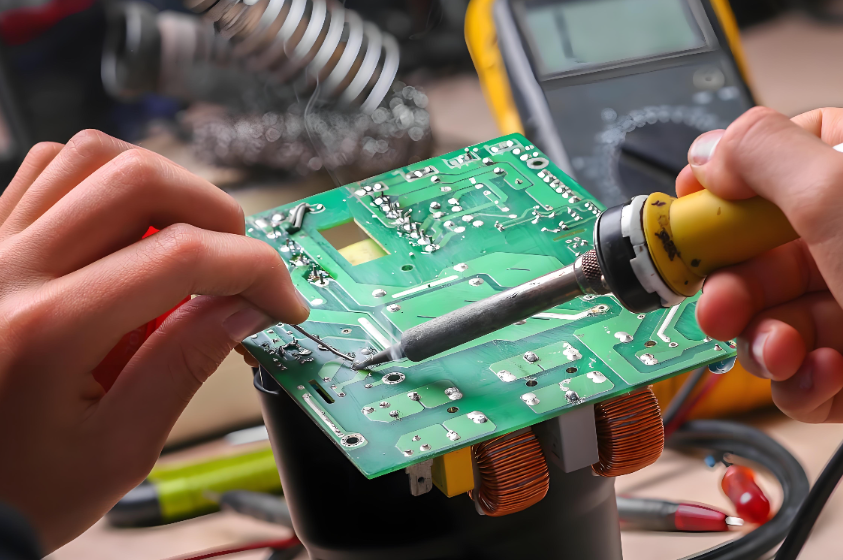
What Is the Difference Between 60/40 vs 63/37 Solder?
The main difference between 60/40 vs 63/37 solder lies in their composition and melting behavior.
- 60/40 solder contains 60% tin and 40% lead.
- 63/37 solder contains 63% tin and 37% lead.
Although the difference appears small, those three percent of tin significantly affect how the alloy behaves during soldering.
| Feature | 60/40 Solder | 63/37 Solder |
|---|---|---|
| Composition | 60% tin, 40% lead | 63% tin, 37% lead |
| Alloy type | Non-eutectic | Eutectic |
| Melting behavior | Has a plastic range | Melts and solidifies instantly |
| Melting temperature | 183–190°C | 183°C |
| Soldering difficulty | Moderate | Easier |
| Risk of cold joints | Slightly higher | Lower |
The most important distinction is that 63/37 solder is a eutectic alloy. This means it transitions directly from solid to liquid at a single temperature. The solder joint solidifies immediately when cooling begins.
In contrast, 60/40 solder has a small plastic range. During cooling, the solder remains semi-solid for a short period. Movement during this stage may produce a dull or weak joint.
Why Do Engineers Prefer 63/37 Eutectic Solder?
Many engineers prefer 63/37 solder because it produces more consistent solder joints. The eutectic composition allows the alloy to change phase instantly without passing through a semi-solid stage.
This property offers several advantages:
- Reduced risk of disturbed joints
- Cleaner solder fillets
- Faster solidification
- More predictable soldering behavior
During manual soldering, this quick transition is particularly helpful. As soon as the solder cools below the melting point, the joint becomes solid. This reduces the chance of creating a cold solder joint caused by movement.
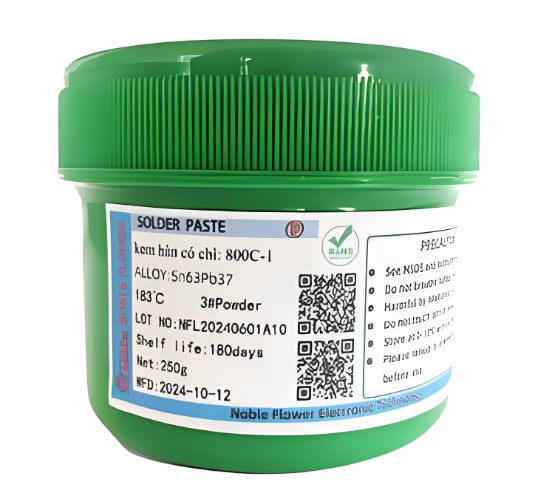
Manufacturing engineers also appreciate the stability of eutectic solder during automated assembly. In processes like wave soldering or reflow soldering, a narrow melting range improves process control and consistency.
Because of these benefits, 63/37 solder is often considered the easiest tin-lead solder alloy to use.
What Does Eutectic Mean in 63/37 Solder?
The word eutectic refers to a special alloy composition where the material melts and solidifies at a single temperature.
For the tin-lead system, the eutectic point occurs at:
63% tin and 37% lead
At this ratio:
- The alloy melts at exactly 183°C
- There is no plastic phase
- Solidification occurs instantly when cooling begins
This behavior is important for soldering because it ensures the solder joint forms quickly and evenly.
In non-eutectic alloys like 60/40 solder, melting and solidification occur across a temperature range. During that range, the solder becomes partially solid and partially liquid. This condition is known as the plastic state.
If the joint moves during this plastic stage, the crystal structure can form improperly. The result may be a weak or grainy solder joint.
What Is the Melting Temperature of 60/40 vs 63/37 Solder?
Temperature characteristics are another key difference between 60/40 vs 63/37 solder.
| Solder Alloy | Solidus Temperature | Liquidus Temperature |
|---|---|---|
| 60/40 solder | 183°C | 190°C |
| 63/37 solder | 183°C | 183°C |
Solidus temperature refers to the point where the alloy begins to melt.
Liquidus temperature refers to the point where the alloy becomes completely liquid.
For 63/37 solder, both temperatures are identical. This means the alloy changes phase immediately at 183°C.
For 60/40 solder, the alloy gradually transitions between 183°C and 190°C. Within this range, the material remains partially molten.
In practical soldering:
- 63/37 solder melts sharply
- 60/40 solder softens gradually
This difference influences soldering performance and joint quality.
Is 63/37 Solder Easier to Use Than 60/40 Solder?
Yes. In most cases, 63/37 solder is easier to use.
The primary reason is the absence of the plastic stage. Because the solder solidifies immediately after cooling begins, the joint becomes stable faster.
This provides several practical advantages:
- Better solder flow
- Less chance of cold joints
- Cleaner and shinier solder joints
- Faster soldering cycles
Many electronics hobbyists also prefer 63/37 solder for this reason. Beginners often find it easier to create professional-looking joints using eutectic solder.
However, 60/40 solder still works well, especially in applications where precise temperature control is less critical.
Which Solder Produces Better PCB Solder Joints?
Both alloys can produce reliable joints when used correctly. However, 63/37 solder usually creates smoother and more uniform solder fillets.
Typical characteristics of good solder joints include:
- Smooth surface finish
- Bright metallic appearance
- Strong mechanical bonding
- Proper wetting of pads and leads
Because eutectic solder solidifies quickly, the metal grains form more evenly. This often results in a shiny and smooth joint.
In contrast, 60/40 solder joints may appear slightly dull if the joint moves during the plastic stage.
That said, joint quality also depends on several other factors:
- Flux type
- Soldering temperature
- Surface cleanliness
- PCB finish
- Component lead material
When proper soldering techniques are applied, both alloys can achieve excellent reliability.
60/40 vs 63/37 Solder: Reliability Comparison
From a reliability standpoint, both alloys have been used successfully in electronics for decades.
Here is a practical comparison.
| Property | 60/40 Solder | 63/37 Solder |
|---|---|---|
| Mechanical strength | High | High |
| Electrical conductivity | Excellent | Excellent |
| Thermal fatigue resistance | Good | Good |
| Solder joint appearance | Slightly dull possible | Usually bright |
| Cold joint risk | Moderate | Low |
| Manufacturing stability | Good | Excellent |
Overall, 63/37 solder provides slightly better process stability because it eliminates the plastic range.
However, reliability differences in real applications are usually small. Many legacy electronic systems built with 60/40 solder have operated reliably for decades.
Which Solder Is Better for Hand Soldering?
For manual soldering, 63/37 solder is generally the preferred option.
Hand soldering introduces natural movement when the iron is removed or when the joint cools. Because 63/37 solder solidifies instantly, it prevents joint disturbance.
Advantages of using 63/37 solder for manual work include:
- Faster joint formation
- Reduced risk of cold joints
- Better solder flow
- Cleaner visual results
That is why many technicians and electronics hobbyists choose 63/37 solder wire for everyday soldering tasks.
Still, 60/40 solder remains widely available and performs well for most electronics repairs.
Which Solder Alloy Is Used in PCB Manufacturing?
Historically, both alloys have been used in PCB manufacturing and electronic assembly.
Common applications include:
- wave soldering
- manual soldering
- rework stations
- prototype assembly
- cable harness soldering
In many modern manufacturing environments, lead-based solders have been replaced by lead-free alloys due to environmental regulations.
Examples include:
- SAC305 (Sn96.5Ag3.0Cu0.5)
- SN100C
- SnCu alloys
However, tin-lead solder is still used in certain industries, including:
- aerospace electronics
- military equipment
- medical devices
- repair and maintenance applications
These industries value the proven reliability and low melting temperature of tin-lead solder alloys.
60/40 vs 63/37 Solder: Complete Comparison Table
The following table summarizes the most important characteristics of both alloys.
| Characteristic | 60/40 Solder | 63/37 Solder |
|---|---|---|
| Tin content | 60% | 63% |
| Lead content | 40% | 37% |
| Alloy type | Non-eutectic | Eutectic |
| Melting range | 183–190°C | 183°C |
| Plastic stage | Yes | No |
| Joint stability | Good | Excellent |
| Ease of soldering | Good | Very easy |
| Typical applications | General electronics | Precision soldering |
For most precision electronics work, 63/37 solder offers slightly better performance and control.
How to Choose Between 60/40 and 63/37 Solder?
Selecting the right solder depends on the specific project and soldering method.
Here are some practical guidelines.
Choose 63/37 solder when:
- Performing manual PCB soldering
- Repairing sensitive electronic boards
- Working with small components
- Consistent solder joints are critical
Choose 60/40 solder when:
- Cost is a primary concern
- Traditional processes are used
- Plastic range is not a major issue
- The application tolerates minor process variation
In many situations, either alloy will perform well. The choice often comes down to personal preference or process compatibility.
FAQs About 60/40 vs 63/37 Solder
Is 63/37 solder better than 60/40 solder?
63/37 solder is often considered easier to use because it is a eutectic alloy. It melts and solidifies at one temperature, which reduces the risk of disturbed joints during cooling.
Why is 63/37 solder called eutectic?
The alloy composition of 63% tin and 37% lead represents the eutectic point in the tin-lead phase diagram. At this ratio, the solder melts at a single temperature without a plastic range.
What temperature melts 63/37 solder?
63/37 solder melts at 183°C (361°F). This is the eutectic melting point of the tin-lead alloy system.
Can you mix 60/40 and 63/37 solder?
Yes. Mixing these solders forms an intermediate alloy composition. The resulting solder will usually behave more like a non-eutectic alloy with a small melting range.
Why do technicians prefer eutectic solder?
Eutectic solder solidifies immediately when cooling begins. This reduces cold solder joints and produces cleaner solder fillets.
Is 60/40 solder still used today?
Yes. Although lead-free solders are widely used today, 60/40 solder remains common in repair work, prototyping, and certain regulated industries.
Conclusion
When comparing 60/40 vs 63/37 solder, the key difference lies in the melting behavior of the alloys.
- 60/40 solder has a small plastic range during cooling.
- 63/37 solder is a eutectic alloy that melts and solidifies at a single temperature.
Because of this property, 63/37 solder offers easier handling, faster solidification, and more consistent solder joints. This makes it a popular choice for manual soldering and precision electronics assembly.
However, both alloys have proven reliable over decades of electronics manufacturing. The best choice ultimately depends on your soldering method, application requirements, and personal preference.
If you are looking for professional PCB manufacturing and PCB assembly services, the engineering team at EBest Circuit (Best Technology) provides full-process support from PCB fabrication to component sourcing and PCBA assembly.
For technical consultation or project inquiries, feel free to contact: sales@bestpcb.vn