 language
 english


Quick Turn PCBA | Fast Prototyping & Urgent PCBA Production
What Is Quick Turn PCBA? Definition & Core Characteristics
Quick Turn PCBA refers to an accelerated printed circuit board assembly service designed to deliver assembled boards in days rather than weeks. The goal is simple. Reduce waiting time while maintaining electrical performance and assembly reliability.
Unlike traditional manufacturing, Quick Turn PCBA is structured around urgency. Engineering review, PCB fabrication, component sourcing, SMT assembly, inspection, and testing are tightly synchronized. Tasks that normally happen in sequence are executed in parallel.
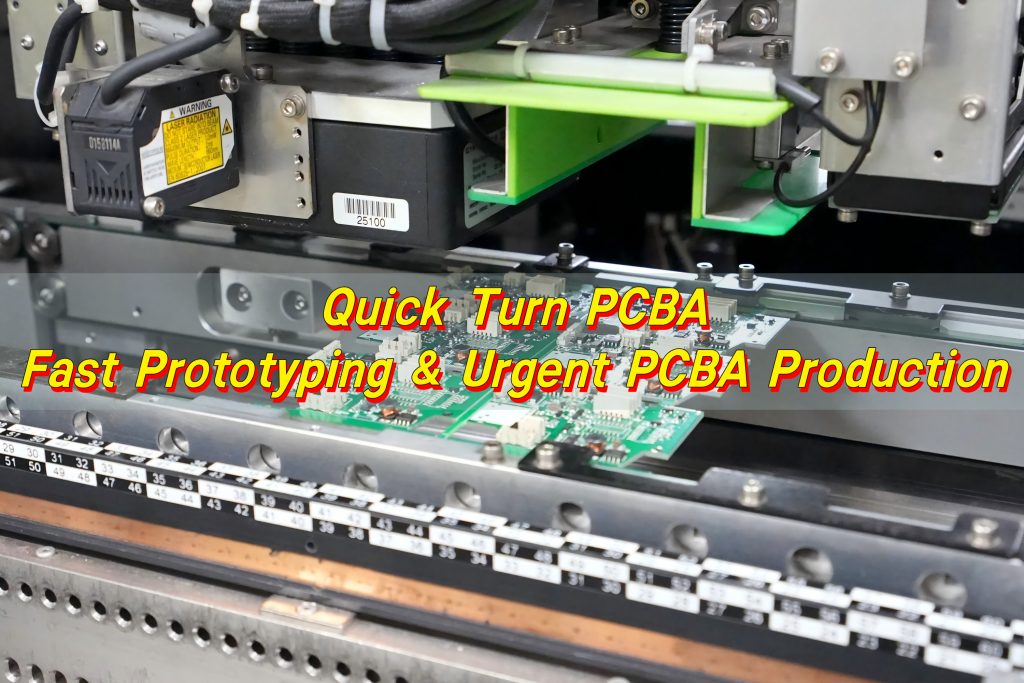
Several core characteristics define a true quick turn PCBA service. Lead times are short and clearly defined. Communication is direct and efficient. Production lines are flexible, allowing frequent changeovers. Quality checks remain intact, even under time pressure.
At EBest Circuit (Best Technology), quick turn PCBA is treated as a dedicated production mode rather than an exception. In-house PCB fabrication and SMT assembly allow tight control over schedules. Engineering teams work closely with production to ensure that speed never compromises reliability.
How Is Quick Turn PCBA Different from Standard PCBA Manufacturing?
The difference between Quick Turn PCBA and standard PCBA manufacturing goes beyond lead time. It reflects two fundamentally different production philosophies.
Standard PCBA manufacturing is optimized for stability and cost efficiency. Designs are assumed to be mature. Volumes are predictable. Production slots are planned weeks in advance. This approach works well for mass production but lacks flexibility.
Quick Turn PCBA, by contrast, assumes change and urgency. Designs may still be evolving. BOMs may require adjustment. Schedules may shift.
Another key difference is production setup. Standard lines favor long runs with minimal changeovers. Quick turn PCB assembly lines are designed for rapid setup and teardown, supporting small batches and mixed builds.
Communication also differs. In quick turn projects, engineers and manufacturing teams interact frequently. Questions are resolved quickly. Feedback is practical and direct. This reduces rework and prevents small issues from becoming major delays.
EBest Circuit (Best Technology) emphasizes this communication-driven model. Engineers are involved early, ensuring that potential risks are identified and addressed before they impact delivery.
Key Benefits of Quick Turn PCBA for Electronic Product Development
Quick Turn PCBA offers advantages that extend far beyond faster delivery. It directly improves how products are developed, tested, and refined.
One major benefit is early hardware validation. Real boards reveal issues that simulations cannot fully predict. Signal integrity, power stability, and thermal behavior become clear much earlier in the project.
Another benefit is faster iteration. When changes are required, updated boards can be built quickly.
Quick turn PCBA also reduces long-term project risk. Problems discovered early are easier and less expensive to fix. Delays later in the development cycle often lead to costly redesigns.
Key benefits include:
- Faster access to functional hardware
- Shorter design and debug cycles
- Earlier identification of manufacturability issues
- Better coordination between design and production
- Improved confidence before volume production
At EBest Circuit (Best Technology), many customers use quick turn PCBA as a bridge between R&D and mass production, ensuring designs are production-ready before scaling.
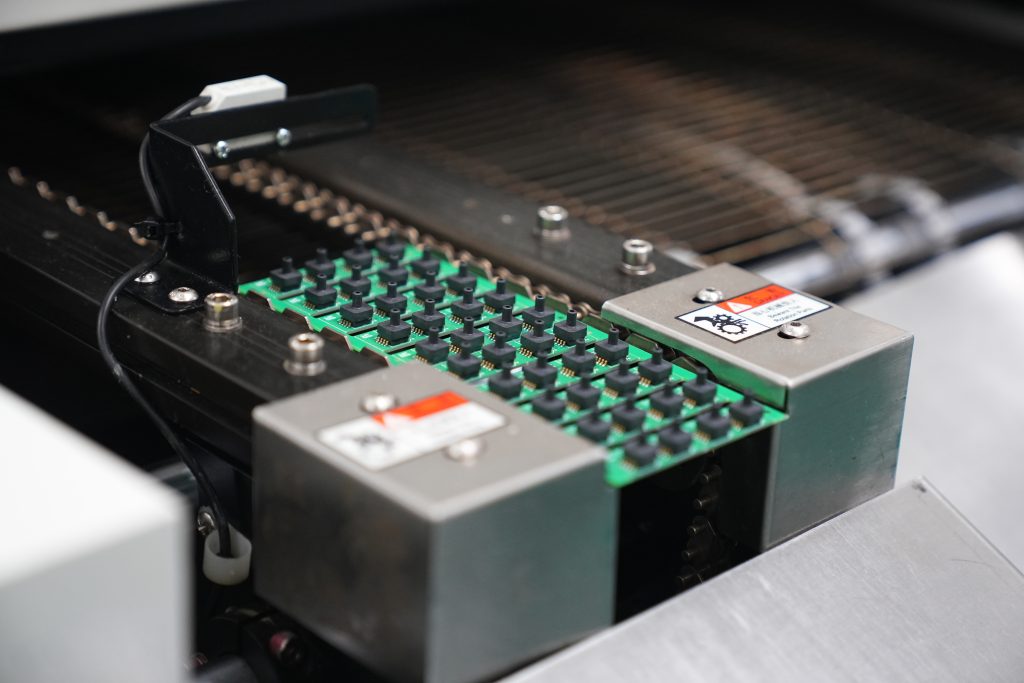
Common Applications of Quick Turn PCBA
Quick Turn PCBA is widely used across industries where time and technical accuracy are critical. As product lifecycles shorten, its importance continues to grow.
PCB prototyping is the most common application. Engineers rely on quick turn PCB prototypes to validate circuits, firmware, and system integration. Multiple revisions can be completed in a short time.
Medical electronics represent another major application. Diagnostic, monitoring, and therapeutic devices often require rapid prototyping under controlled processes. Quick turn PCBA prototype medical device projects allow teams to prepare for regulatory testing without delaying development.
Industrial electronics also benefit from quick turn services. Control boards, power modules, and interface assemblies often need fast validation to meet project or customer deadlines.
Typical application areas include:
- Quick turn PCB prototypes for R&D
- Medical device PCBA validation builds
- Engineering samples for industrial systems
- Pilot runs before volume production
- Urgent redesigns or replacement boards
EBest Circuit (Best Technology) supports these applications by combining fast execution with structured quality systems, making quick turn suitable even for regulated industries.
The Streamlined Production Process of Quick Turn PCBA
The speed of Quick Turn PCBA comes from process optimization, not from skipping steps. Each stage is carefully aligned to minimize delays.
The process begins with immediate data review. Gerber files, BOMs, and assembly data are checked as soon as they are received. Potential issues are flagged early.
PCB fabrication and component sourcing proceed in parallel. Availability is confirmed quickly. When lead times pose a risk, alternatives are proposed early.
Assembly preparation starts before boards arrive. SMT programs are created, feeders are staged, and inspection criteria are defined. This allows assembly to begin without waiting.
After assembly, inspection and testing verify build quality. Results are documented clearly, giving engineers fast and actionable feedback.
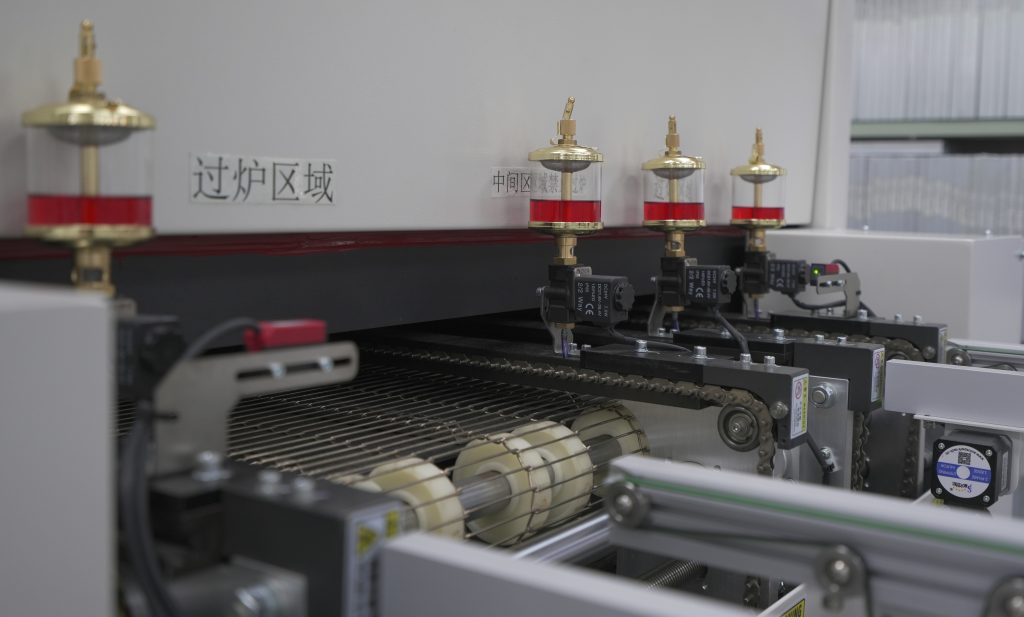
At EBest Circuit (Best Technology), this streamlined process is supported by in-house capabilities and MES-based traceability, maintaining control even when schedules are compressed.
Essential Considerations for Ordering Quick Turn PCBA
Ordering Quick Turn PCBA requires thoughtful preparation. Small oversights can quickly erode lead-time advantages.
Design readiness is essential. While quick turn supports iteration, incomplete or inconsistent data causes delays. Internal reviews save time overall.
Component selection also matters. Parts with long lead times can undermine speed goals. Designers should approve alternates early.
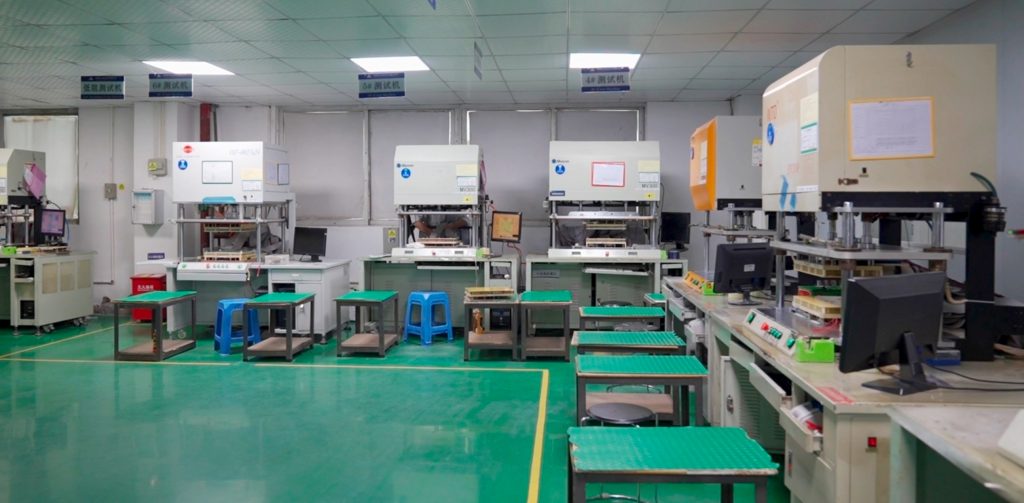
Testing requirements must be defined clearly. Decide whether basic power-on testing is sufficient or if functional testing is required.
Key considerations include:
- Clear and complete design data
- Component availability and alternates
- Defined testing scope
- Fast communication and decision-making
- Realistic volume expectations
EBest Circuit (Best Technology) works closely with customers at this stage, aligning expectations and preventing avoidable delays.
How to Prepare Your PCB Files for Quick Turn PCBA?
File quality directly affects quick turn success. Clean data allows manufacturers to focus on execution.
- Gerber files should reflect the final revision, with all layers clearly labeled.
- The BOM should include accurate part numbers, package types, and alternates.
- Pick-and-place files must be verified for coordinates and rotations.
- Assembly drawings should clearly mark polarity, orientation, and special instructions.
Customers who work regularly with EBest Circuit (Best Technology) often develop standardized file packages, further reducing turnaround time for repeat projects.
How to Choose the Right Quick Turn PCBA Service Provider?
Not every PCBA manufacturer is equipped for true quick turn projects. Choosing the right partner is critical.
- Experience matters. Providers should demonstrate a history of fast-turn builds across varying complexities.
- Engineering support is equally important. Quick turn projects benefit from direct access to engineers who can make informed decisions quickly.
- Quality systems must remain intact. Certifications and documented processes ensure reliability under time pressure.
EBest Circuit (Best Technology) is often selected for quick turn PCBA because it combines speed with discipline. Its ability to scale from prototype to mid or high volume quick turn PCBA allows customers to grow without switching suppliers.
FAQs About Quick Turn PCBA
- How fast can Quick Turn PCBA be delivered?
Lead times typically range from a few days to about two weeks, depending on complexity and component availability.
- Is quick turn PCBA suitable for medical device prototypes?
Yes. Many projects require quick turn PCBA prototype medical builds under ISO-compliant processes.
- Can quick turn support mid or high volumes?
With proper planning, some manufacturers support mid and high volume quick turn PCBA for urgent needs.
- Is quick turn PCBA more expensive?
It often carries a premium due to priority handling, but early validation can reduce overall cost.
Conclusion:
Quick Turn PCBA enables fast, controlled PCB assembly for prototyping and urgent production. It shortens development cycles, supports rapid iteration, and helps engineers identify issues early. By preparing accurate files and working with an experienced partner like EBest Circuit (Best Technology), teams can achieve speed without sacrificing quality.
If you need reliable Quick Turn PCBA, quick turn PCB fabrication, or quick turn PCB assembly services, contact sales@bestpcb.vn