 language
 english


PCB Assembly in China: A Complete Guide for Reliable, High-Quality Electronics Manufacturing
If you’re sourcing PCB Assembly in China for your medical, aerospace, or industrial equipment projects, you need a guide that cuts through the noise—no fluff, just actionable insights from a seasoned electronics engineer. PCB Assembly in China is trusted globally for its precision, scalability, and ability to meet the strictest industry standards, but only if you know what to look for. This guide breaks down everything you need to choose the right partner, avoid common pitfalls, and get consistent, reliable PCB Assembly in China for your critical applications.
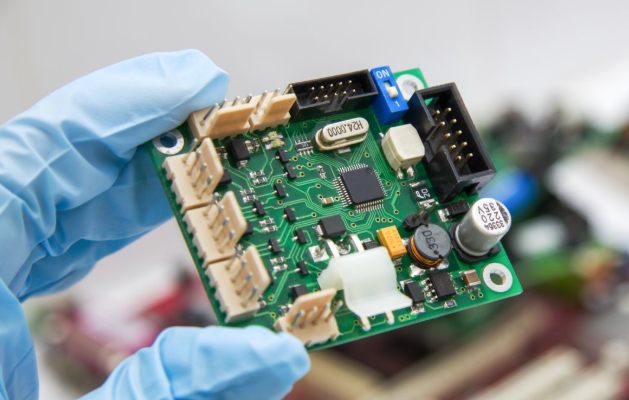
What Makes PCB Assembly in China Stand Out for High-Standard Industries?
PCB Assembly in China stands out for its combination of advanced manufacturing technology, strict quality control, and expertise in serving high-demand industries like medical, aerospace, and industrial equipment. Unlike generic assembly services, Chinese manufacturers specialize in complex designs, adhere to global standards (IPC-A-610, IPC-J-STD-001), and offer scalable production from prototypes to mass orders—all with the precision required for mission-critical devices.
Key Advantages of PCB Assembly in China for Specialized Industries
- Access to advanced equipment: Automated pick-and-place machines, 5DX X-ray inspection, and reflow ovens optimized for complex components like micro BGA and RF modules.
- Strict compliance: Adherence to industry-specific standards (ISO 13485 for medical, MIL-PRF-31032 for aerospace) to ensure reliability and regulatory approval.
- Engineering expertise: In-house teams that optimize designs for manufacturability (DFM) and solve complex signal integrity or thermal management challenges.
How to Choose a Trusted PCB Assembly Partner in China?
Choosing a trusted PCB Assembly in China partner starts with verifying three core factors: quality certifications, industry experience, and transparent processes. Skip manufacturers without clear compliance records or specialized expertise in your field—this avoids costly reworks and delays.
4 Non-Negotiable Checks for Your PCB Assembly Partner
- Certifications: Confirm ISO 9001 (quality management), ISO 13485 (medical), and relevant aerospace certifications (if applicable) to ensure compliance with global standards.
- Industry Experience: Ask for case studies or references in your sector (medical, aerospace, industrial) to prove expertise in handling your specific design requirements.
- Quality Control Processes: Ensure they use AOI (Automated Optical Inspection), X-ray inspection, and thermal testing to catch defects early—no shortcuts in inspection.
- Transparency: Look for clear communication channels and real-time production updates to stay informed throughout the assembly process.
What Are the Main PCB Assembly Technologies Used in China?
PCB Assembly in China uses two primary technologies—Surface Mount Technology (SMT) and Through-Hole Technology (THT)—along with advanced hybrid approaches for complex designs. SMT is the most common for modern electronics, while THT is used for components requiring high mechanical strength.
| Assembly Technology | Key Uses | Advantages | Best For |
|---|---|---|---|
| Surface Mount Technology (SMT) | Mounting tiny components (0201 size, micro BGA) directly on PCB surfaces | High component density, faster production, better high-frequency performance | Medical devices, aerospace RF modules, compact industrial controls |
| Through-Hole Technology (THT) | Inserting component leads through PCB holes and soldering to the opposite side | Strong mechanical connections, easy repair, ideal for high-power components | Industrial power supplies, heavy-duty equipment, rugged aerospace parts |
| Hybrid Assembly | Combining SMT and THT for complex designs | Flexibility to use the best technology for each component | Advanced aerospace systems, multi-functional industrial controllers |
Can PCB Assembly in China Meet Medical Industry Standards?
Yes, PCB Assembly in China can easily meet and exceed medical industry standards—when you partner with a manufacturer specializing in medical electronics. Medical PCB assembly requires zero defects, strict material traceability, and compliance with ISO 13485, which top Chinese manufacturers prioritize.
Medical PCB Assembly Case Study: Pill Camera Technology
A leading medical device manufacturer faced recurring soldering defects with micro BGA components in their ingestible pill camera—critical for patient diagnosis. Their PCB Assembly in China partner (EBest) implemented a flex/rigid-flex 4-layer PCB design with copper-filled vias and via fill technology to solve the issue.
The solution eliminated all soldering defects, ensured compliance with ISO 13485, and supported high-volume production (100,000+ units annually). The copper-filled vias (4 mil diameter) provided precise alignment for micro BGA components, while via fill enhanced solderability and structural integrity—critical for a device that must withstand harsh internal body environments.
Is PCB Assembly in China Suitable for Aerospace Applications?
Absolutely—PCB Assembly in China is widely used for aerospace applications, including defense systems, satellite components, and aircraft avionics. Top manufacturers specialize in complex, high-reliability assemblies that meet extreme environmental and performance requirements.
Aerospace PCB Assembly Case Study: Multi-Functional Phased Array Radar (MPAR)
A tier-one aerospace OEM needed a highly complex PCB assembly for their MPAR system—an oversized 15-layer PCB with mixed high-speed laminates, embedded resistors, blind/buried vias, 2,500 components, and 64 RF daughter modules. Multiple previous manufacturers failed to produce a working prototype.
Their PCB Assembly in China partner used a concurrent engineering approach, with PCB, assembly, and test engineers collaborating directly with the OEM’s design team. They recommended specialized laminates for RF signal isolation, developed a multi-stage manufacturing process (4 layers at a time), and used controlled depth milling for RF modules.
The result: The first working PCB assembly was delivered in 2 weeks, with 70 pre-production units in 4 months. The assembly met all aerospace reliability standards, including vibration, temperature, and signal integrity requirements, proving PCB Assembly in China can handle the most complex aerospace projects.
How Does PCB Assembly in China Support Industrial Equipment Needs?
PCB Assembly in China is ideal for industrial equipment because it supports high-reliability, rugged designs that withstand harsh industrial environments (extreme temperatures, vibration, dust). Manufacturers specialize in industrial control PCBs with high integration, precise signal processing, and long-term stability.
Industrial PCB Assembly Case Study: Siemens SIMATIC S7-1500 PLC
A global industrial automation company needed a 12-layer PCB assembly for their Siemens SIMATIC S7-1500 PLC, which controls 128-axis servo systems in automotive welding lines. The PCB required high integration (1GHz dual-core CPU, 4GB RAM) and extreme reliability (100,000+ hours MTBF).
Their PCB Assembly in China partner used high-temperature laminates (Tg 180°C), 3oz thick copper for thermal management, and strict quality control (AOI + X-ray inspection). The assembly reduced welding line defects by 99.98% and cut changeover time from 8 hours to 15 minutes, demonstrating the value of PCB Assembly in China for industrial automation.
What Quality Control Processes Ensure Reliable PCB Assembly in China?
Reliable PCB Assembly in China relies on a strict, multi-stage quality control (QC) process that catches defects early and ensures consistency. Top manufacturers follow IPC-A-610 (acceptability of electronic assemblies) and IPC-J-STD-001 (soldered connections) as baseline standards.
5 Core QC Steps for PCB Assembly in China
- Incoming Material Inspection: Verify all components and PCBs meet specifications—no counterfeit or substandard materials.
- Solder Paste Inspection (SPI): Check solder paste application (thickness, alignment) to prevent bridging or insufficient soldering.
- Automated Optical Inspection (AOI): Post-assembly inspection to detect component misalignment, missing components, or soldering defects.
- X-Ray Inspection: For hidden defects (e.g., BGA solder joints, blind vias) that AOI cannot detect—critical for complex assemblies.
- Functional Testing: Test each assembled PCB to ensure it meets electrical performance requirements for your application.
How Long Does PCB Assembly in China Take for Different Project Sizes?
Lead times for PCB Assembly in China vary by project size, complexity, and technology—but top manufacturers offer flexible timelines to meet your deadlines. Prototypes are faster, while mass production takes longer due to additional QC and setup steps.
| Project Type | Typical Lead Time | Notes |
|---|---|---|
| Prototype (1-10 units) | 2-5 days | For simple to moderate complexity (up to 10 layers, SMT components) |
| Small Batch (11-100 units) | 5-10 days | Ideal for pre-production testing, includes full QC |
| Medium Batch (101-1,000 units) | 10-15 days | Suitable for medical/aerospace pre-production runs |
| Mass Production (1,000+ units) | 15-25 days | Scalable for high-volume needs, includes DFM optimization |
| Complex Aerospace/Medical (Any Size) | 7-30 days | Depends on design complexity (e.g., 15+ layers, RF modules) |
What’s the Difference Between Standard and Custom PCB Assembly in China?
The key difference between standard and custom PCB Assembly in China is design flexibility and specialization. Standard assembly uses off-the-shelf components and generic PCBs, while custom assembly is tailored to your unique design, components, and industry requirements—critical for medical, aerospace, and industrial applications.
| Feature | Standard PCB Assembly in China | Custom PCB Assembly in China |
|---|---|---|
| Design Flexibility | Limited—uses pre-designed PCBs and standard components | Full flexibility—tailored to your PCB design and component specs |
| Industry Focus | Consumer electronics (e.g., toys, basic gadgets) | Medical, aerospace, industrial equipment (mission-critical) |
| Compliance | Basic ISO 9001 only | Industry-specific (ISO 13485, MIL-PRF-31032, IPC-A-610) |
| Engineering Support | Minimal—no DFM or design optimization | Full support—DFM, signal integrity, thermal management |
FAQ: Common Questions About PCB Assembly in China (Solved)
1. Does PCB Assembly in China Use High-Quality Components?
Yes—trusted PCB Assembly in China manufacturers use only high-quality, authentic components from reputable suppliers. They conduct incoming material inspections to ensure components meet your specifications and avoid counterfeits, which is critical for medical and aerospace applications. EBest sources components from certified distributors to guarantee reliability.
2. Can PCB Assembly in China Handle High-Layer PCBs (15+ Layers)?
Absolutely—PCB Assembly in China specializes in high-layer PCBs (up to 40+ layers) for complex aerospace and industrial projects. Manufacturers use advanced lamination and drilling technologies (e.g., blind/buried vias, laser drilling) to ensure layer alignment (±25μm error) and signal integrity, as demonstrated in the MPAR aerospace case study.
3. How Do I Ensure My PCB Assembly in China Meets My Country’s Regulatory Standards?
Choose a PCB Assembly in China partner with experience exporting to your country and compliance with your region’s standards (e.g., FDA for medical devices in the US, CE for the EU). They will provide all necessary documentation (certifications, material traceability reports) to ensure your assembly passes regulatory inspections. EBest has extensive experience supporting global regulatory compliance.
4. What Happens If There Are Defects in My PCB Assembly from China?
Top PCB Assembly in China manufacturers offer a defect correction guarantee. They will rework or replace defective units at no additional cost, provided the defects are due to manufacturing errors. Reputable partners (like EBest) have low defect rates (≤50ppm) due to strict QC, but they stand behind their work to ensure your satisfaction.
5. Can PCB Assembly in China Support Prototype-to-Mass Production Scaling?
Yes—this is a key advantage of PCB Assembly in China. Manufacturers like EBest offer end-to-end support from prototype development to mass production, ensuring consistent quality across all stages. They optimize your design for manufacturability during the prototype phase, so scaling up is seamless and cost-effective—critical for bringing new medical or industrial devices to market quickly.
6. Is PCB Assembly in China Suitable for High-Frequency RF Applications?
Yes—PCB Assembly in China excels at high-frequency RF applications (up to 40GHz+) for aerospace and industrial systems. Manufacturers use specialized high-frequency laminates (e.g., Rogers RO4350B, RO3010) with low dielectric loss, implement dynamic impedance compensation, and use backdrilling to eliminate signal reflection—ensuring RF performance meets your specifications.
How to Optimize Your PCB Design for Assembly in China?
Optimizing your PCB design for PCB Assembly in China reduces costs, speeds up lead times, and improves reliability. The key is following Design for Manufacturability (DFM) guidelines, which your assembly partner can help with—but here are the basics every engineer should know.
4 DFM Tips for PCB Assembly in China
- Component Spacing: Maintain minimum spacing (≥0.2mm) between components to avoid soldering bridges and ensure AOI inspection is effective.
- Pad Design: Follow IPC standards for pad sizes (matching component leads) to ensure strong solder joints—critical for micro BGA components.
- Thermal Management: Add thermal vias and heat sinks for high-power components to prevent overheating, especially for industrial and aerospace applications.
- Documentation: Provide clear, detailed design files (Gerber, BOM, assembly drawings) to avoid miscommunication and ensure accurate assembly.
Choose EBest for Your PCB Assembly in China Needs
If you need reliable, high-quality PCB Assembly in China for medical, aerospace, or industrial equipment, EBest is your trusted partner. We specialize in custom PCB assembly, adhere to the strictest global standards (ISO 9001, ISO 13485, IPC-A-610), and have a proven track record of delivering complex assemblies on time. Our in-house engineering team provides full DFM support, and our strict QC processes ensure zero defects for your mission-critical projects. We offer PCB Assembly in China for prototypes, small batches, and mass production—all with transparent communication and global regulatory compliance. Contact us today to place your order: send an email to sales@bestpcbs.com, and our team will respond within 24 hours to discuss your project needs.